
With Kamigawa: Neon Dynasty releasing in paper somewhat imminently, I decided to take one last look over the full set to take stock of the things I would need to get my grubby little paws on to properly tinker with my Commander decks. As I went through, card by card, it began to dawn on me just how many great individual tools there are in this set to bolster a tremendous amount of different decks and strategies. As I was furiously taking notes on where different cards might fit, I got to thinking™. I really wanted to take a step back and take a serious look at the ways my favorite cards from this set appealed to my Magic sensibilities — using these new cards from Kamigawa, perhaps I could better evaluate the types of cards in the abstract that I tend to gravitate towards, and achieve a greater understanding my own deck building processes. Prone as I am to rabbit holes of self-reflection, particularly in terms of my relationship with Commander, I wanted to see if I could find the language to discuss not so much the qualities of decks I want to build, but what defines the individual cards I want to be building with. A brand new set on the precipice of release just seemed like a great time to take this dive.
It can be really difficult finding a place to start when it comes to finding the language for these things. There are just so many cards out there, and every single player has their own list of pet cards and personal auto-includes that serve as a tiny window into just what sort of player they are. When we are looking at all of these things together, it’s often tough to parse specifically what ties them together, particularly as design philosophies and principles have changed over time. So, to get things rolling, I picked out the three Neon Dynasty cards I’m most looking forward to exploring.

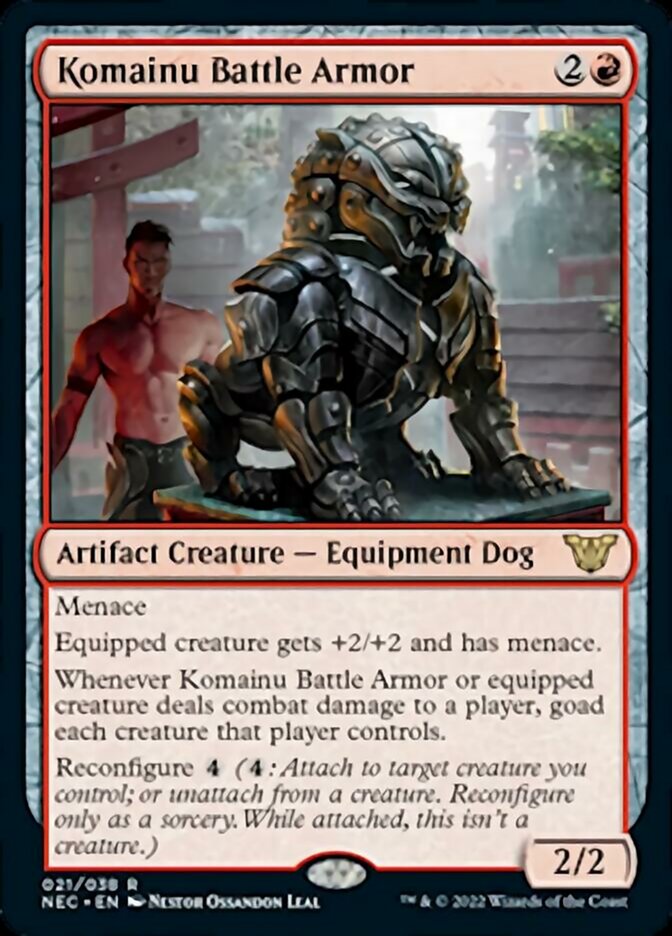
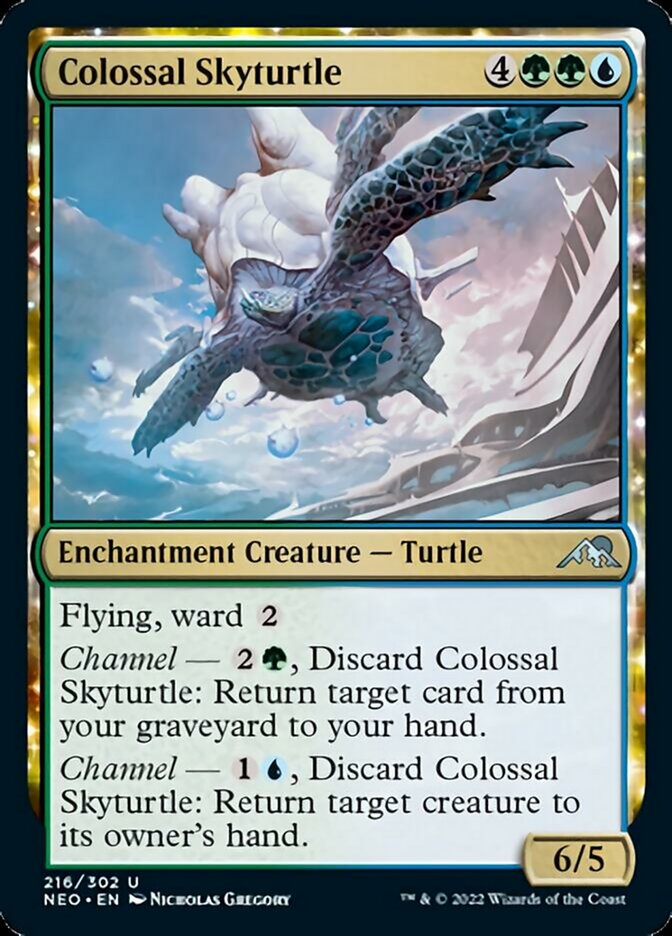
I really just loved the designs of these three cards from the moment they were previewed, especially for Commander. They certainly seem to be lower on the power level spectrum on the whole, but I think the thru-line here is that they are just simply functional. These three cards all have a solid floor, and offer enough efficiency and synergies in other aspects that there is room to iterate and build up into something more. As a player and deck builder, I think that simple, functional cards are the bread and butter of Commander. They often feel like filler, but are far more important than most folks will give them credit for — I just love the solid deck building infrastructure that these designs provide. Upon further reflection here, I realized that my single favorite creature ever printed in history fits this mold exactly.
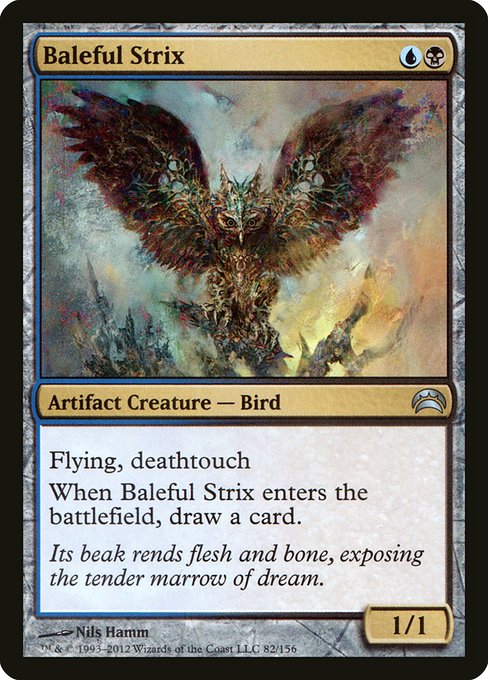
I think Baleful Strix is a quintessential card in this space. It seems innocuous enough, but is actually really impressive. It plays a lot more powerful than it reads, but that isn’t obvious from outset. It just does a lot of things and it does them for little cost, similar to my favorite cards from Neon Dynasty. They have a decent enough floor, and open a lot of doors to interact with other pieces of your deck should you choose to do that. Artifact/enchantment type lines are obvious examples of this, but there is also the Channel keyword to consider (probably one of my top favorite mechanics) — pitching the creature into the graveyard opens up that zone as a potential area to explore as well. Being able to separate what these cards, simply, do, and what they can do, is the thing that really broadens the deck building process to some great twists and turns. Obviously, the cleanest design analog to Baleful Strix here is Spirited Companion, so we’ll start there.

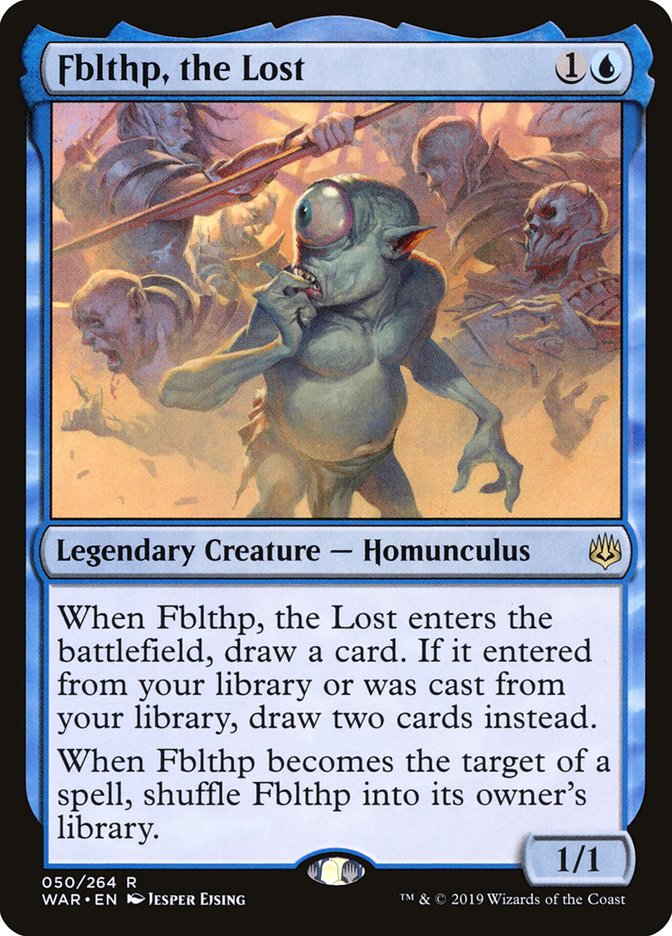
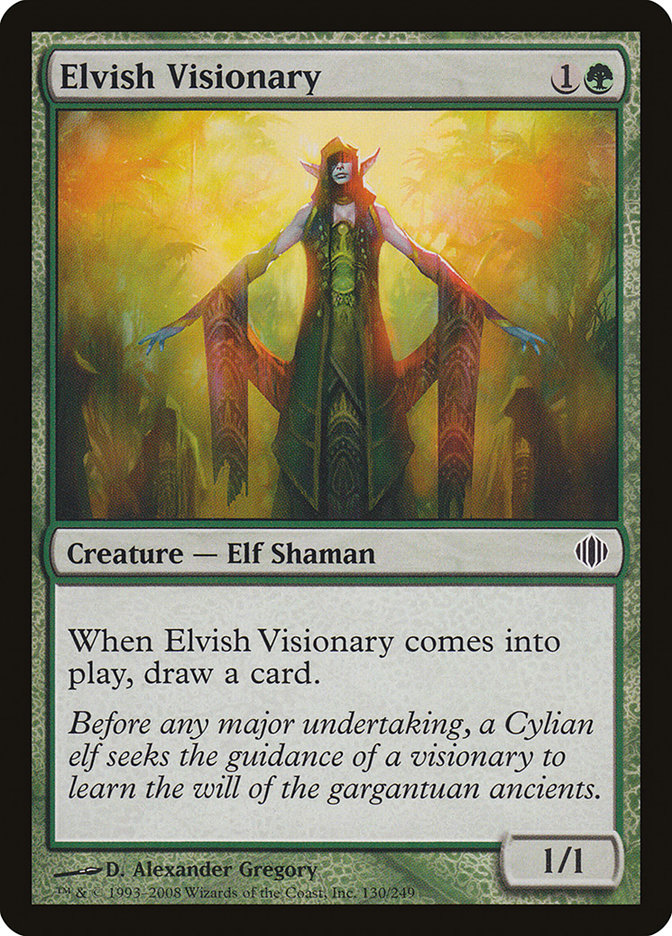
I’ve always had a soft spot for these cards. Creatures that replace themselves like this are some of the most purely functional cards you can find out there. They enter the battlefield, draw a card, and don’t require any additional support. That’s exactly the kind of thing I like my creatures to be doing. Sure, it seems like small potatoes, but what really makes them great in Commander is that they also provide a resource on the battlefield. Being able to leverage those bodies is something that every color is able to do, albeit in different ways, whether attacking and blocking, being sacrificed or flickered, or simply providing a relevant creature type. No matter the overarching synergy, the card will just work, and the ceiling for a card like this can get pretty high for such a low opportunity cost and investment.
I clearly have a weakness for clean and functional designs, sure, but there is even more clarity we can extract here. Much like Baleful Strix, these cards are efficient, albeit in different ways. You just end up being able to extract a lot of value for what you put into them. When it comes to efficiency, there is just so much more to it than matters of mana value. Consider, for example, modal cards. The concept of attaching several different effects into a single card shifts the context of efficiency from in-game resources to deck building resources, which is also really important to consider. Let’s take a look at Colossal Skyturtle, for example.
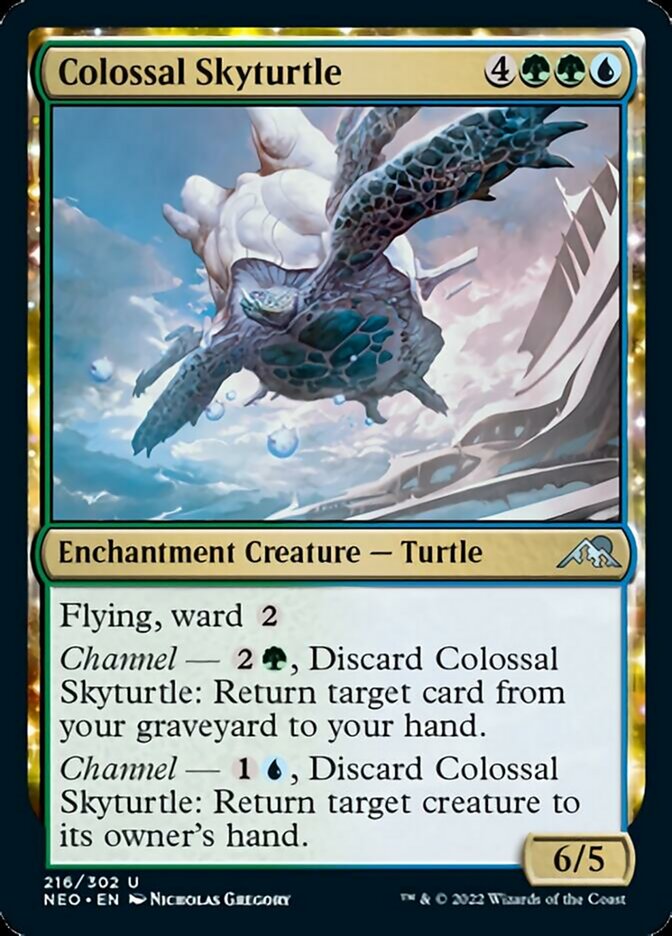
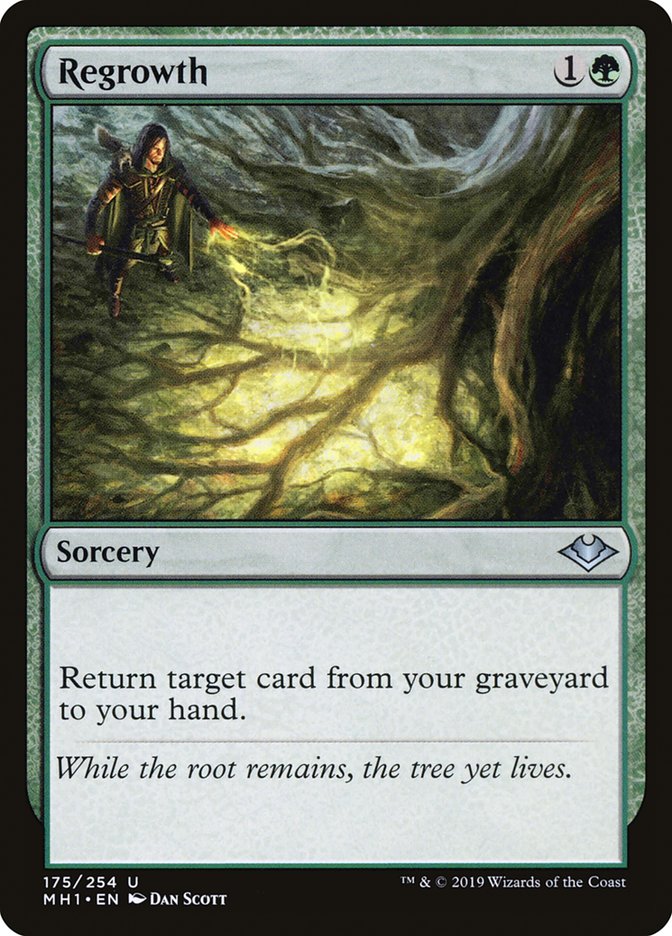
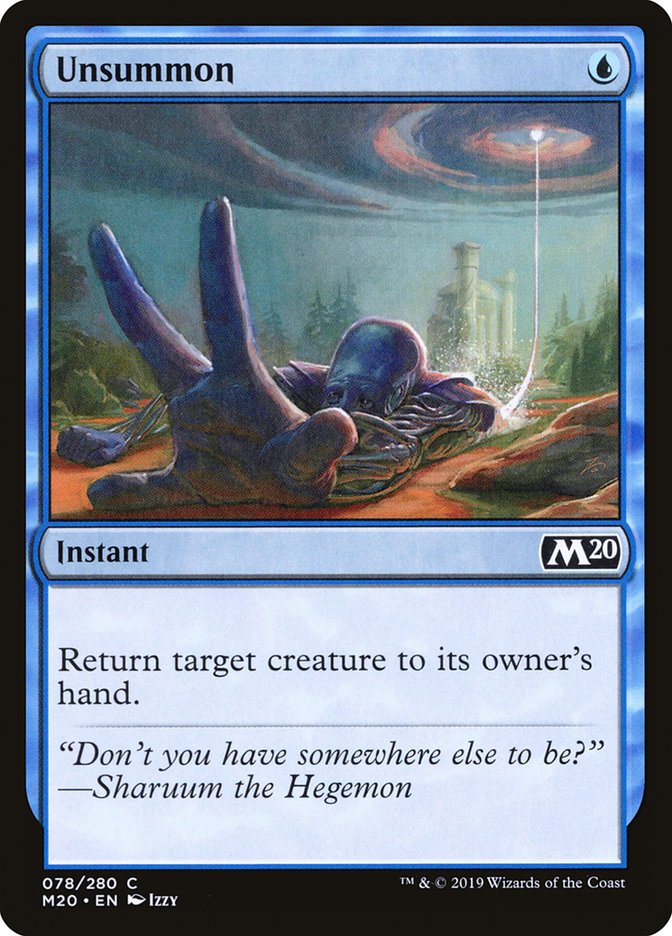
What really attracts me to this card the most are the Channel abilities. The fact that it’s a creature is important to evaluating this card, but the two separate Channel abilities go a long way to making this thing a real contender. In terms of costs, they are just slightly more expensive versions of cards we already know — Unsummon and Regrowth. On the face of it, this is not terribly impressive. However, we’re trading that small increase in mana cost to make huge gains in terms of deck building costs. Instead of framing it as paying two mana for an Unsummon or three mana for a regrowth, I prefer to think of it as paying one card slot in the 99 for three cards, because we can’t ignore the fact that we can always just play this as a big dumb creature instead of channeling it. Much like Baleful Strix is a perfect example of an efficient card from a mana value perspective, so too is Colossal Skyturtle from a deck building perspective. Being able to take advantage of these two separate approaches to evaluating efficiency goes a long way to building more robust and functional decks. And just to throw this out there, the fact that Skyturtle is an enchantment also opens up that whole realm of other synergies, which makes it that much more intriguing.
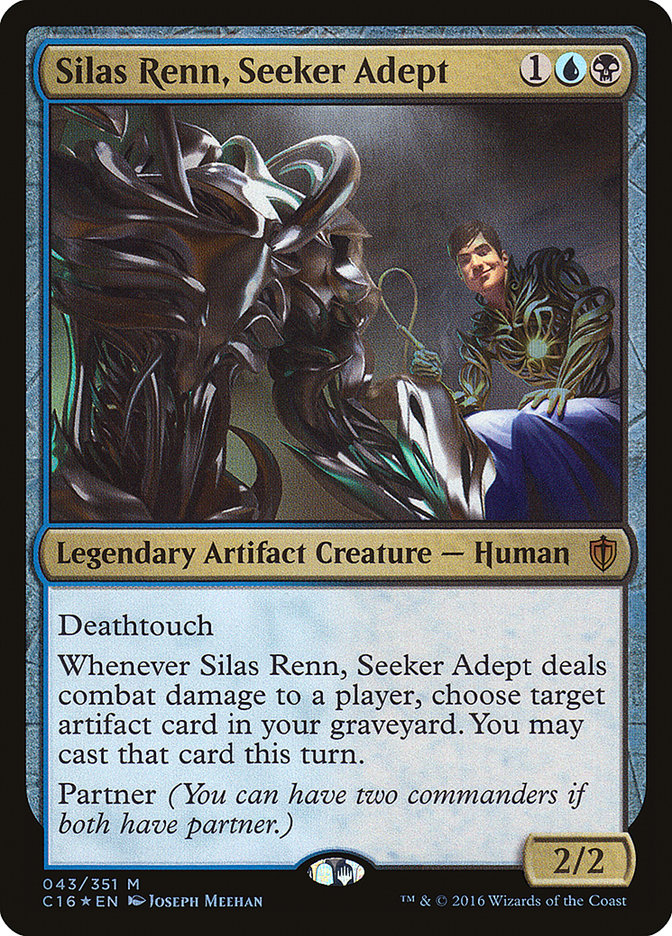
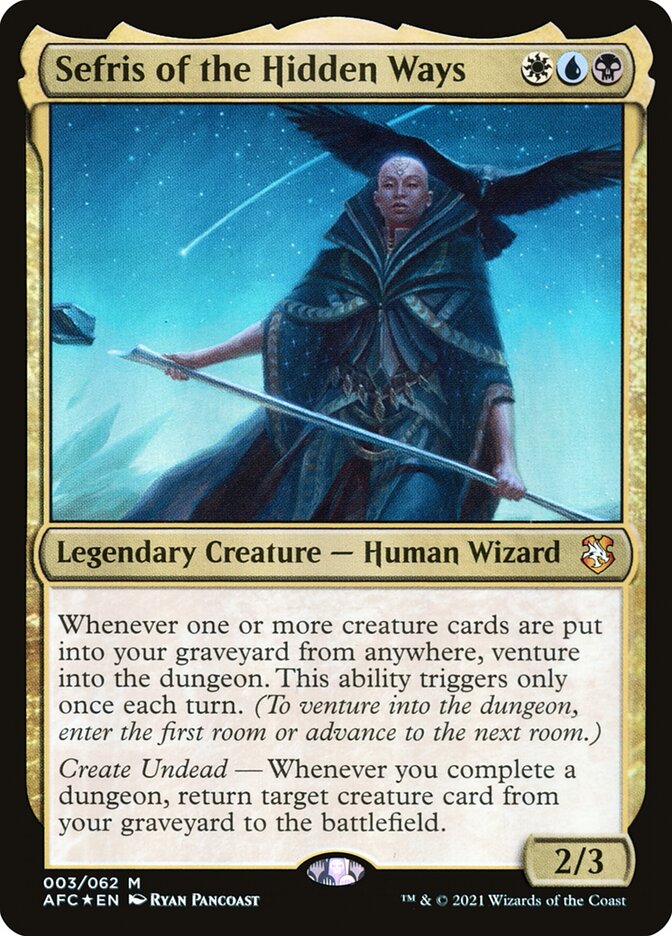
Speaking of synergy, one of my favorite things to be doing in any game of Commander, with any deck, is assembling and executing an engine. There’s just something about utilizing a bunch of disparate pieces towards a larger goal that gets me super jazzed. Obviously, the form and function of such an engine changes based on the colors and commander, but the bottom line for me is that a lot of little things building up to a big thing will always be a preferable game experience to doing one big thing, and having that trickle down into a lot of little things. Komainu Battle Armor is a really exciting card to me in that regard, because it felt like a piece of a puzzle the first time I read it; the trick is just finding what kind of deck it fits in. Certainly, it slots into your average equipment deck, but the ceiling is so much higher in terms of how we can apply this thing. Baleful Strix is really stellar engine piece itself, for similar reasons, and plays pretty transparently in a lot of powerful artifact synergies. It is commonly exploitable in Silas Renn, Seeker Adept partner decks, for example, and there has even been another recent commander well-positioned to take advantage of it in Sefris of the Hidden Ways. Ultimately, Baleful Strix is a card that serves significant role on-board, being a really effective defensive creature, and is a really clean and easy recursion target considering the value it provides. As I’ve alluded to earlier, the intersection of various card types is a great place to start when trying to identify synergies or how to find ways to really elevate these tools, and being both an artifact and a creature opens up a spectrum of possible applications. WHAT KIND OF APPLICATIONS YOU MAY ASK YOURSELF. Well, let’s tone it down a little and take a look at Extus, Oriq Overlord.

Extus is a really great Commander specifically NOT because of the back side of the card. I will never ever cast Awaken the Blood Avatar and no one can make me — not even you, dear reader. Extus’ Magecraft trigger, however, is right up my alley, and is what really highlights the depth of a card like Komainu Battle Armor. To give a general idea of the framework that jumps out to me with Extus, consider the following:

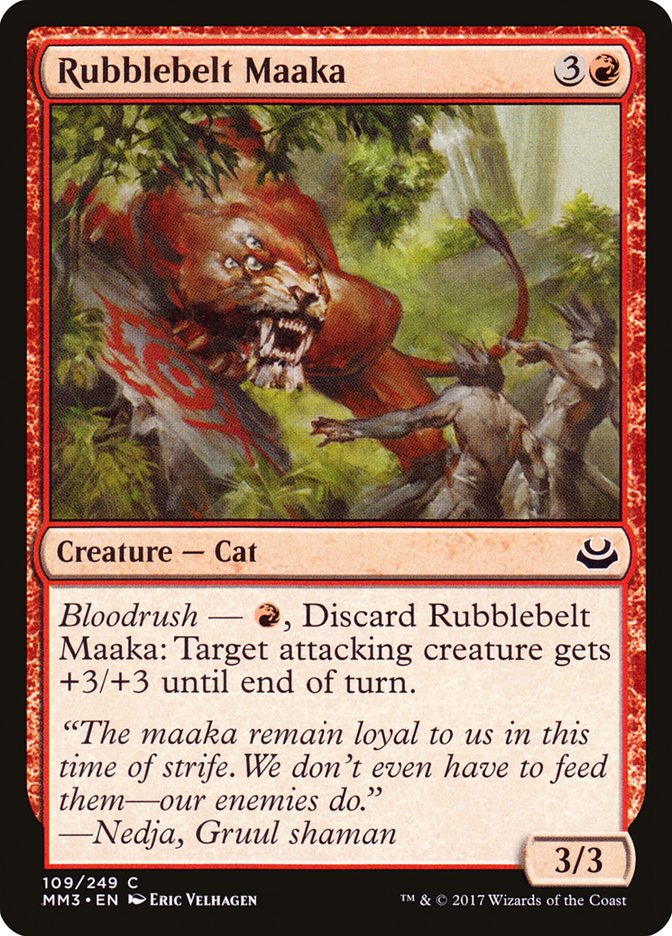

Utilizing certain creatures with Channel, Cycling or Bloodrush, we can use Extus to dig spell-like effects out of our graveyard with interactive or card-draw spells, while we send Extus into the red zone. We can adapt these different discard mechanics and completely re-contextualize them. Street Wraith now just lets us draw a free card for each instant and sorcery we cast. Splendor Mare lets us maintain lifelink on Extus in perpetuity, and Rubblebelt Maaka provides consistent smashing power on our double-striking commander.
This is where Komainu Battle Armor got me thinking. If we can use something like Splendor Mare to maintain lifelink counters on Extus, why can’t we take advantage of equipment in that same vein? Being able to recur our equipment like this seems like an awesome new space to explore in a deck with these tools. Equipment in particular, it seems, can be a popular target for removal, on account of the versatility inherent to the card type. When we have our Komainu Battle Armor (or any other card with Reconfigure, for that matter) supporting Extus, we can be faced with such interaction and simply respond with a standard-issue “Not today, Satan,” As we gingerly lift it out of our graveyard.
So yeah, with the assistance of Baleful Strix, I was able to take some of my favorite designs from Neon Dynasty and find the words to really delve into the specific things I want to be doing and cards I want to be playing in Commander. Going back through the decks that I’ve built recently, I can clearly recognize how impactful these things are in terms of how I approach deck building. I do, in fact, build a ton of small-ball decks that rely on a significant amount of low-power, high-synergy cards to create some pretty intricate in-game mechanisms.
Ultimately, I am very hopeful that the way that I sought these answers for myself can provide some sort of road map for others to reflect on how they approach the format as well. I think it’s really important to be self-aware about these issues — a greater understanding of what we each enjoy and bring to the table will only enhance our collective experience, and enrich the way we engage with format, and each other as a community, going forward.
 commander, dear reader