
Alright gang I just gotta come out and say it: I’m really over traditional aristocrats decks in Commander. For the those of you who are unfamiliar with the jargon, an aristocrats deck refers to a deck whose strategy involves sacrificing creatures for value as a primary means to win the game. It’s a very popular strategy, and one that’s been around and iterated on for years upon years. For your consideration, the usual suspects:
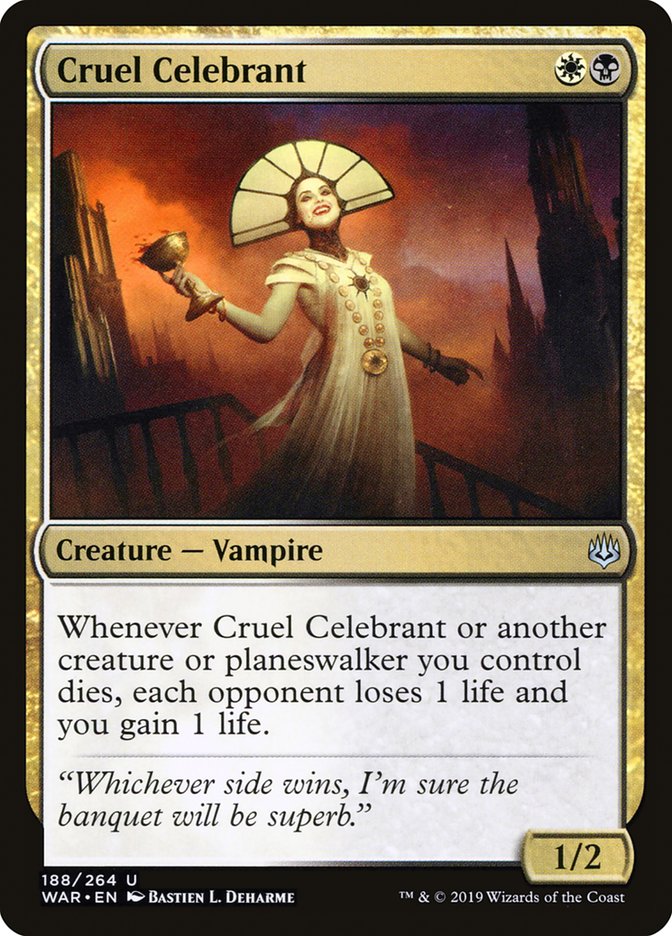
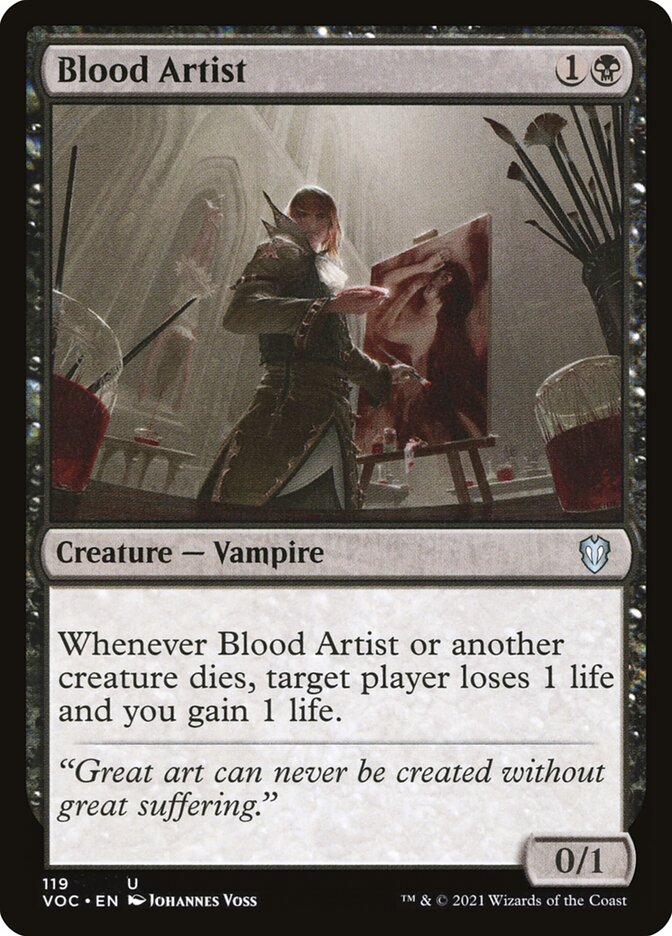
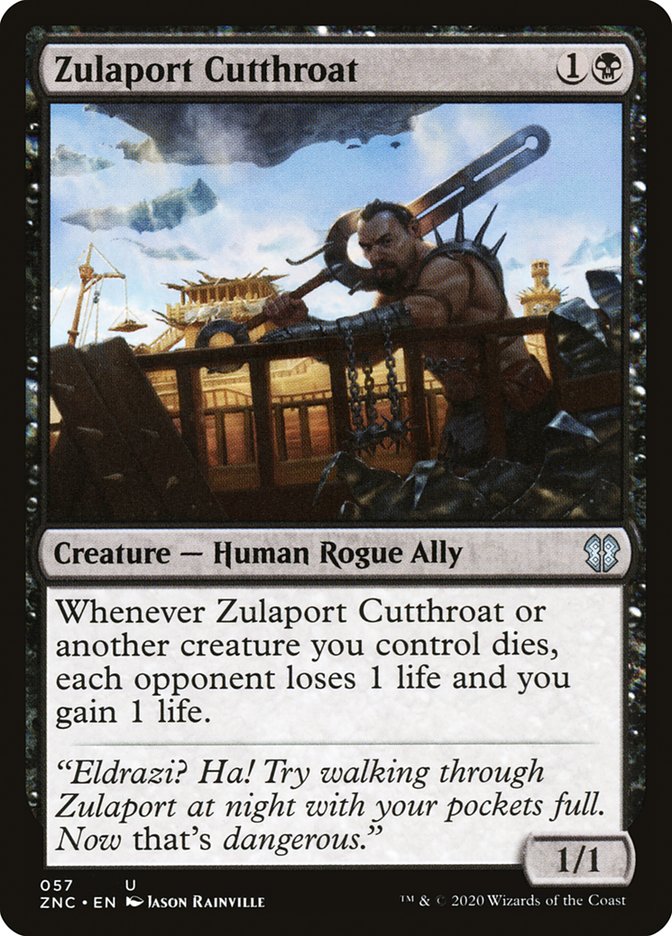
These are the designs that really give these decks their kick, and are often the primary path to victory. As we can see, black is the primary operative color here, and the ease of building these decks has gotten greater and greater as time has marched on and more redundancies enter the card pool. There doesn’t seem to be much space to innovate — the good cards are established, and there’s very little value over replacement for many of them. Is there something out there that we’re looking to slot in over Dictate of Erebos? or Viscera Seer? What about Pitiless Plunderer?
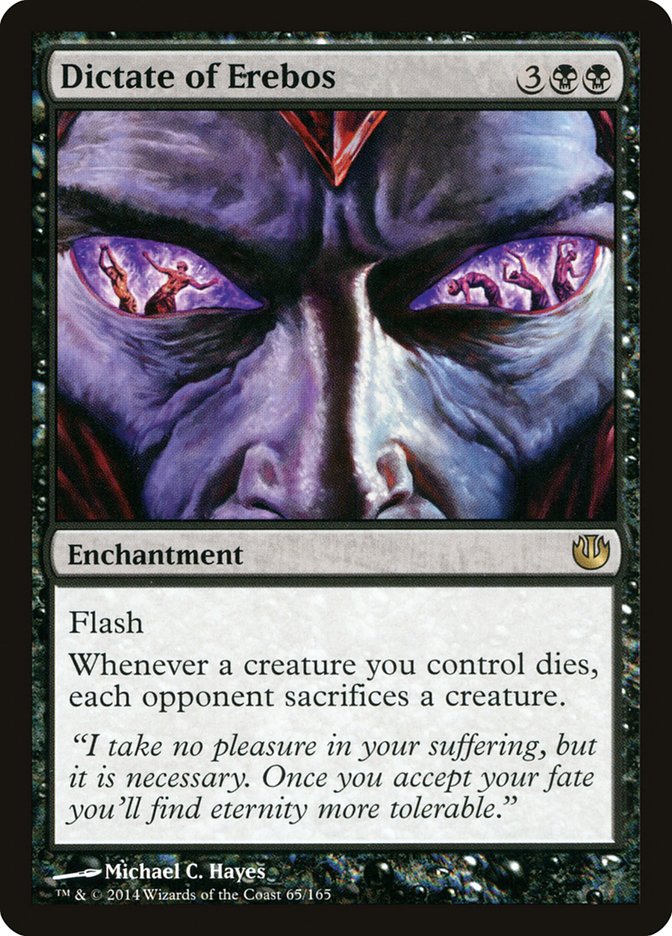
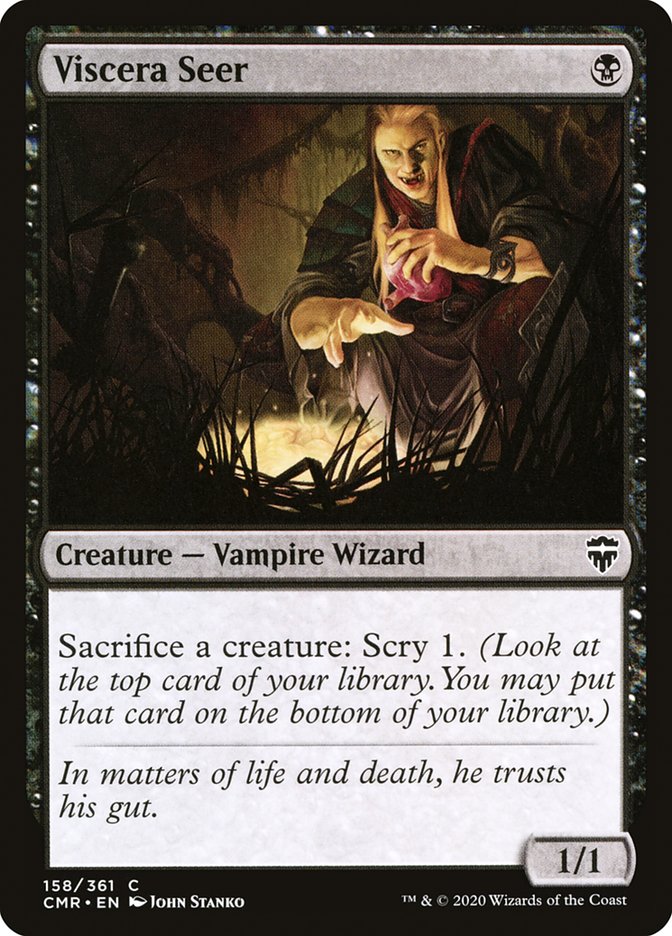
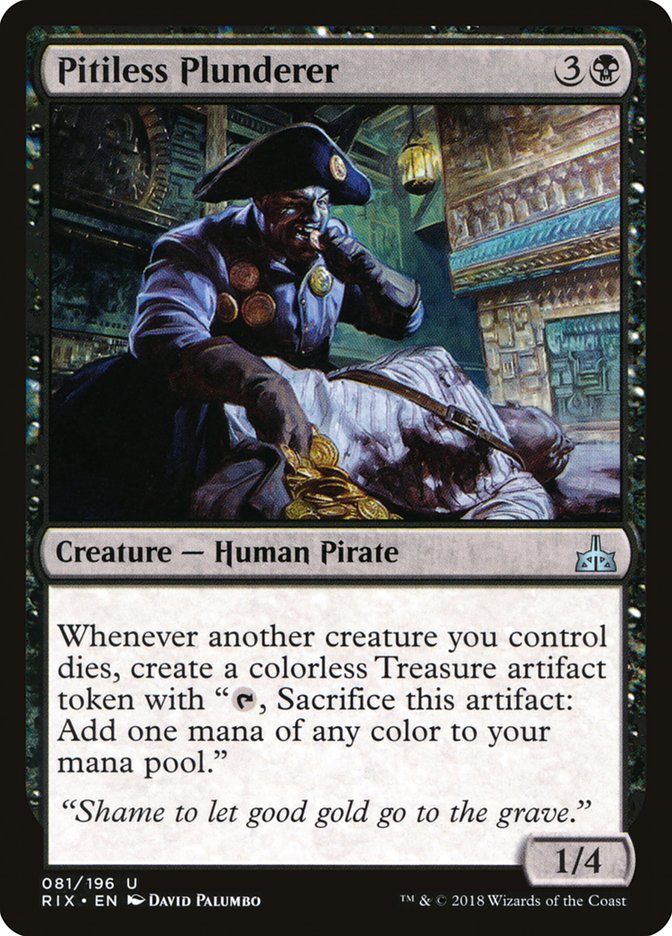
These things are all tremendously impactful while also being trivial to maximize. Ultimately, from my perspective as a deck builder (and an incredibly enfranchised and privileged player, certainly), it just feels lazy. Now, importantly, that’s not to say that those folks out there that enjoy decks like these are lazy, by any means. In fact, it takes a really significant amount of intuition, presence of mind, and just raw intelligence to keep up with the seemingly endless amount of triggers along with the ability to navigate really long and intensive lines of play that require a lot of careful consideration and planning. It is not easy! Rather, I mean to express that there is just so much low hanging fruit that the average player is simply not incentivized to explore other spaces to pursue these types of play patterns. The positioning of this archetype in the modern Commander ecosystem comes down to a simple equation: a high power ceiling plus an established deck building road map will make it an attractive thing to be doing.
Personally, I am one of those people that likes sacrificing permanents to eke out incremental value. Heck, my Squee, the Immortal deck, my favorite deck and the deck that I am known for in my playgroup, is precisely an aristocrats-style deck. Whereas I find the play patterns stimulating, the same cannot be said of the average deck construction process for me in this space, and for a deck to resonate with me in a meaningful way I need to have both of those boxes checked. Regardless, I think it warrants asking the question of how we approach this strategy on a larger scale, and see where we can replicate the meaningful elements of the strategy in some new and interesting ways.
So I think the best place to begin our journey is with a personal anecdote, dear reader. I’ve recently been pretty fascinated by a deck list for Nadaar, Selfless Paladin, built by Twitter dot com user @MonoWhiteBorder. It’s a really cool list on the whole, and there are a lot of intriguing ideas at work if you read between the lines a little bit. However, what really caught my attention was a really sweet package of cards that key in on creatures with mana value/power of one. I was aware to some degree that there are a significant amount of reanimation spells in white for low-cost creatures, but It didn’t fully hit me until I saw them in the same list side by side. There was something here worth looking into further.
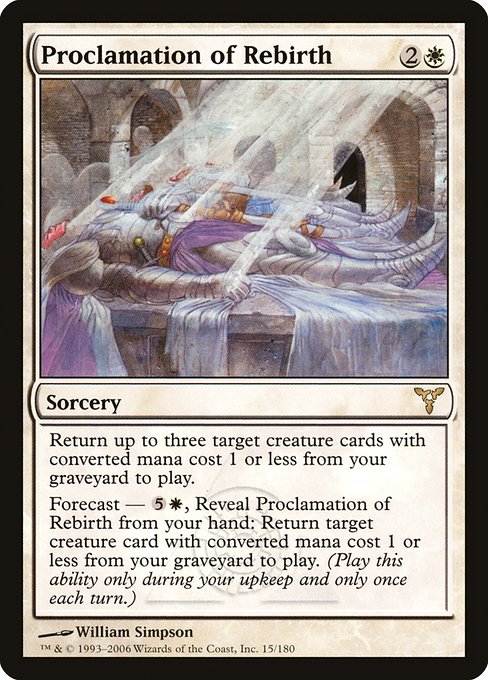
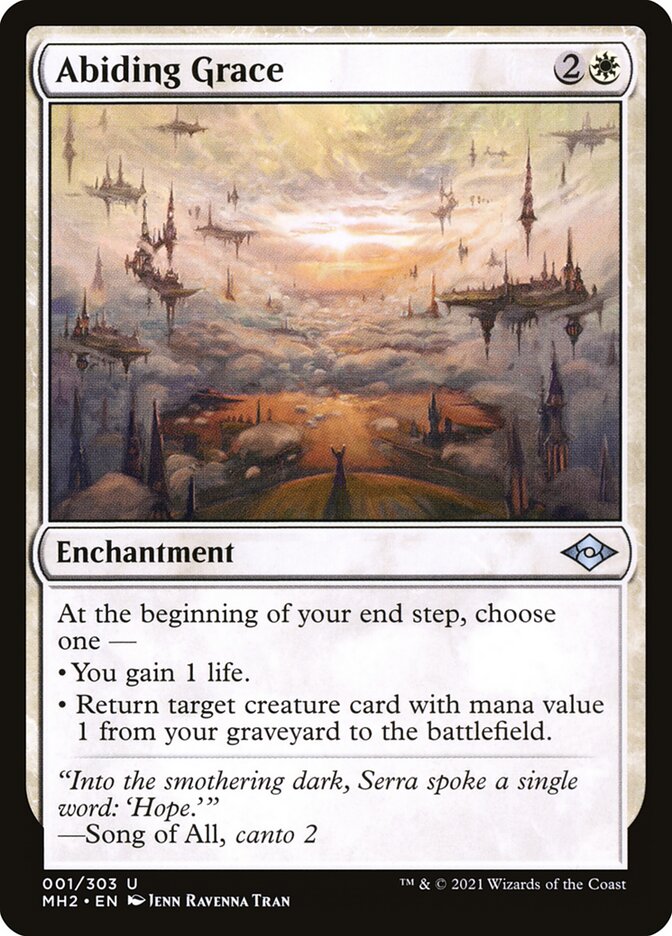
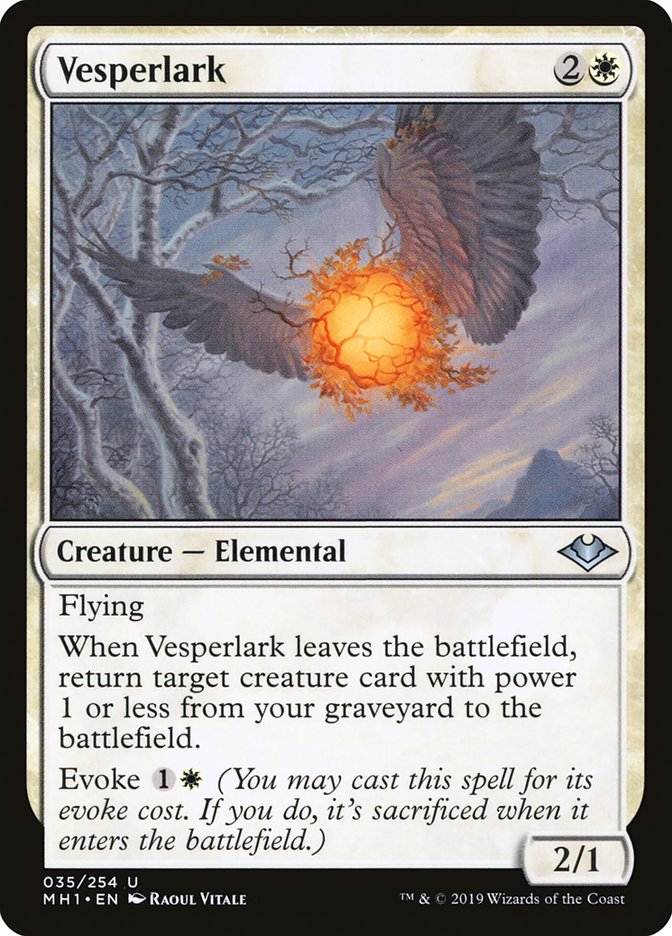
So yeah, these cards, among a few others, tickled my curious-bone. After all, if we have the cards to very efficiently reanimate a subset of creatures, we want to make sure that we have a lot of those things to put into the graveyard in the first place. Since I was already in mono-white with the pay-offs, it seemed prudent as a first step to keep our search limited to creatures in this single color. A quick once-over dug up some good old-fashioned functional Magic cards — lots of creatures that protect other things, like Benevolent Bodyguard and Vigilant Martyr, but also other, more niche, cards like Martyr of Sands, which is always a fun one to sleeve up where you can justify it.
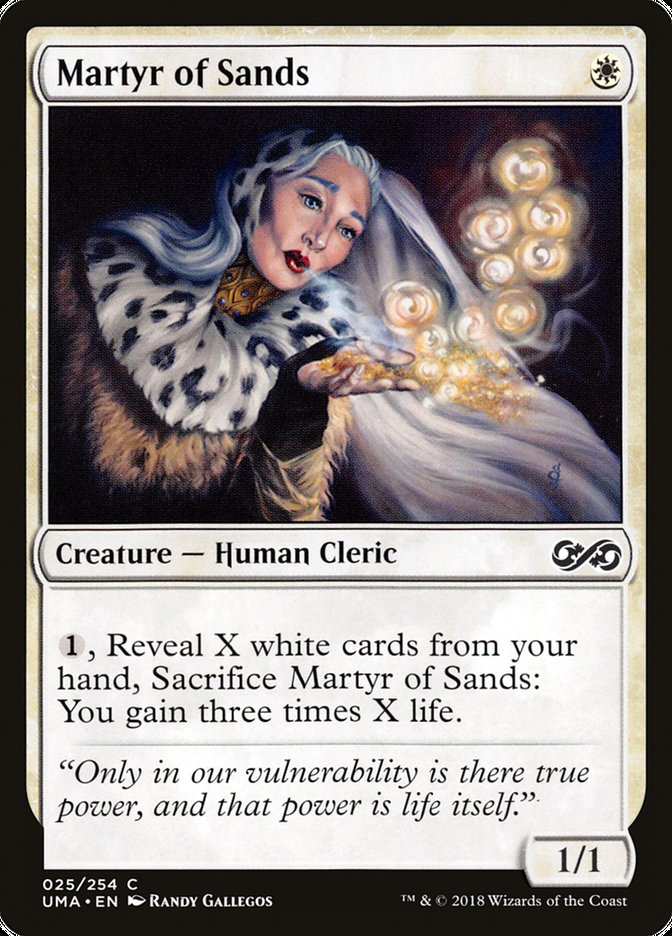
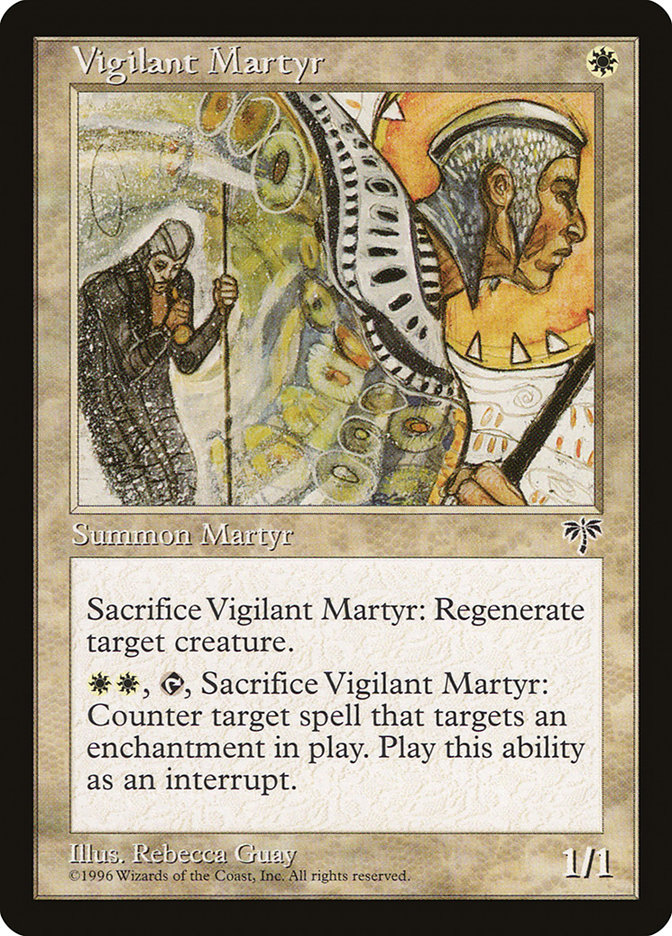
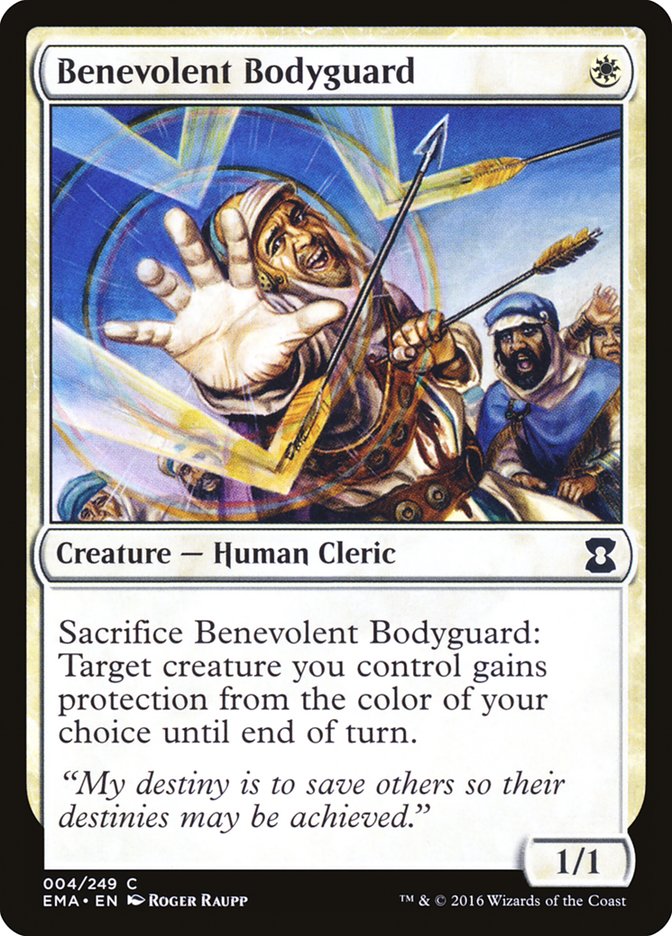
And while these three cards are just a small fragment of the playable cards available, they do a good job of representing the sorts of cards designed at this point on the mana-curve. There was such a significant amount of promising tools in this context that I was quickly sold on moving forward in building a full deck around this stuff. Therefore, I pulled the trigger on initiating “The Great Commander Search.” It took no time at all to come across the one that stopped me in my tracks, mostly because the list was organized alphabetically.
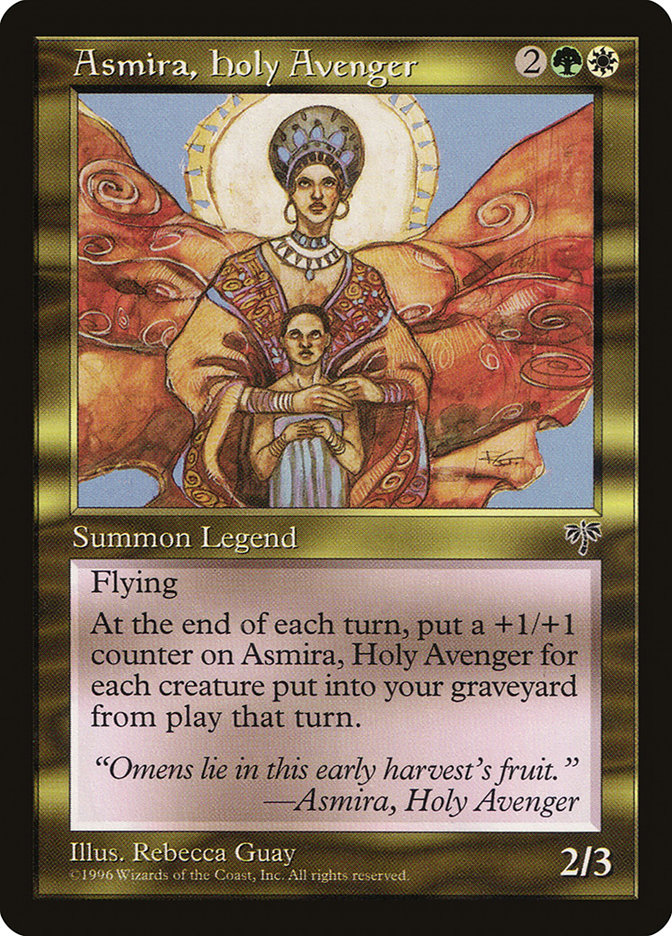
Asmira hits the right notes for me here. She provides a path to victory that services an aristocrats game plan on a macro level. She provides a second, solid color to explore. She wins through combat damage rather than sitting around and passively draining everyone to death. Like I said, the right notes. A voltron-lite, commander damage route to victory seemed to fit perfectly with the protection suite of white creatures we already discovered that sacrifice themselves to protect their friends. Expanding our creature search now to include the green ones turned up some solid additions to fill in the blanks a little bit and round out the edges.
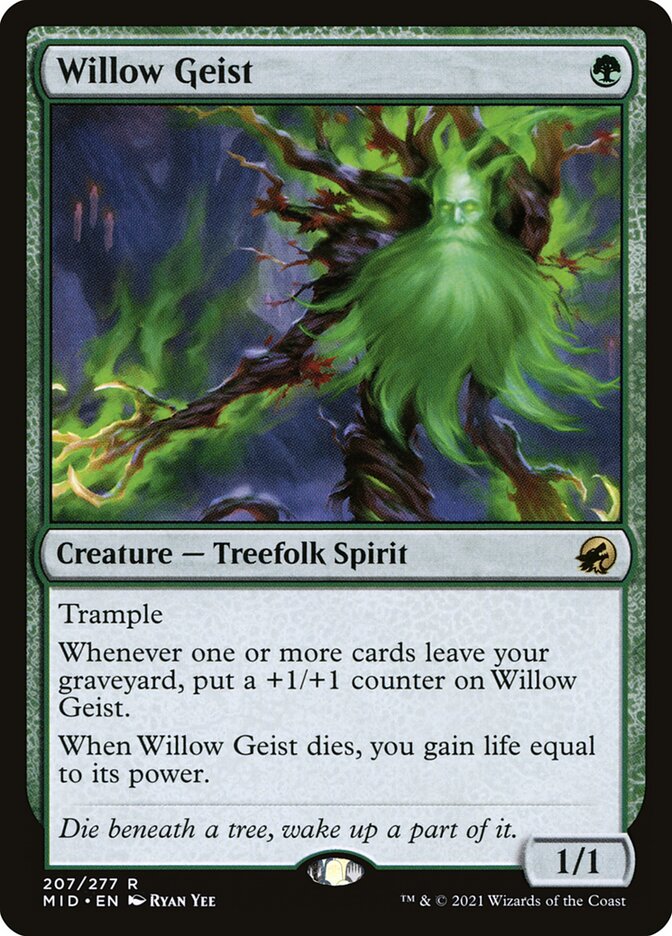
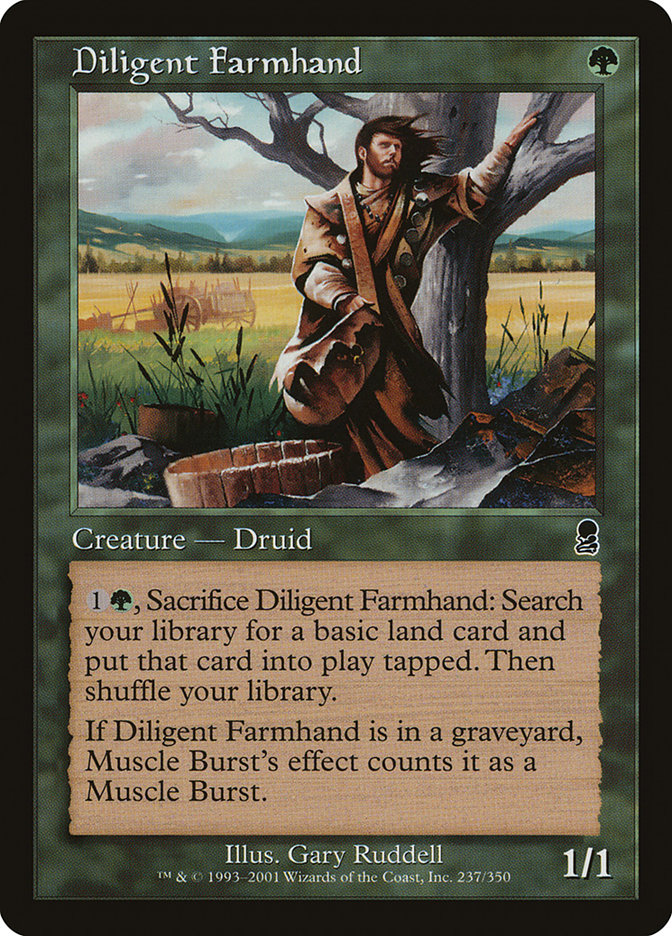
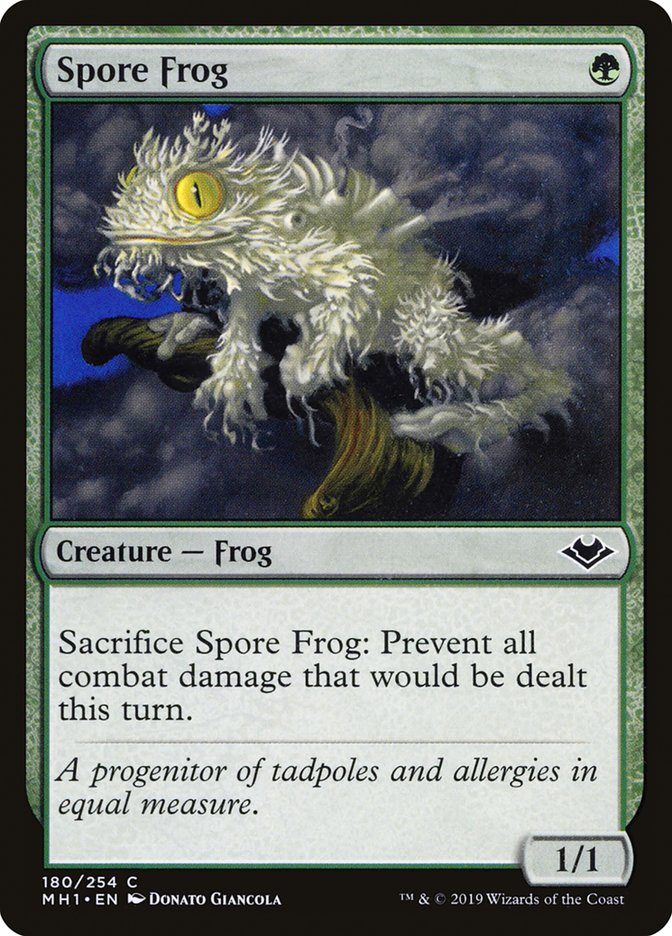
Spore Frog is always a welcome addition to decks that are looking to recur creatures, and things like Diligent Farmhand to repeatedly dig up lands seems like exactly the sort of card we want to have at our disposal for those games where we need to grind a little harder. Willow Geist is possibly a little too cute, but really the conceit of this deck is a little too cute so it gets a pass. As long as we’re pulling our creatures out of the graveyard, this thing has the potential to become a solid threat that we have the option to keep rebuilding.
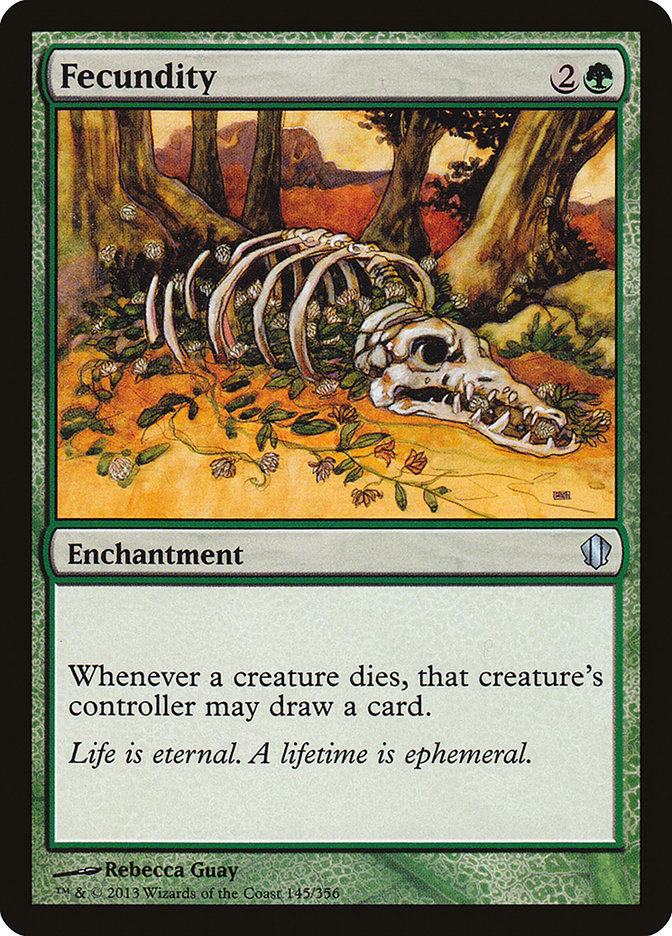
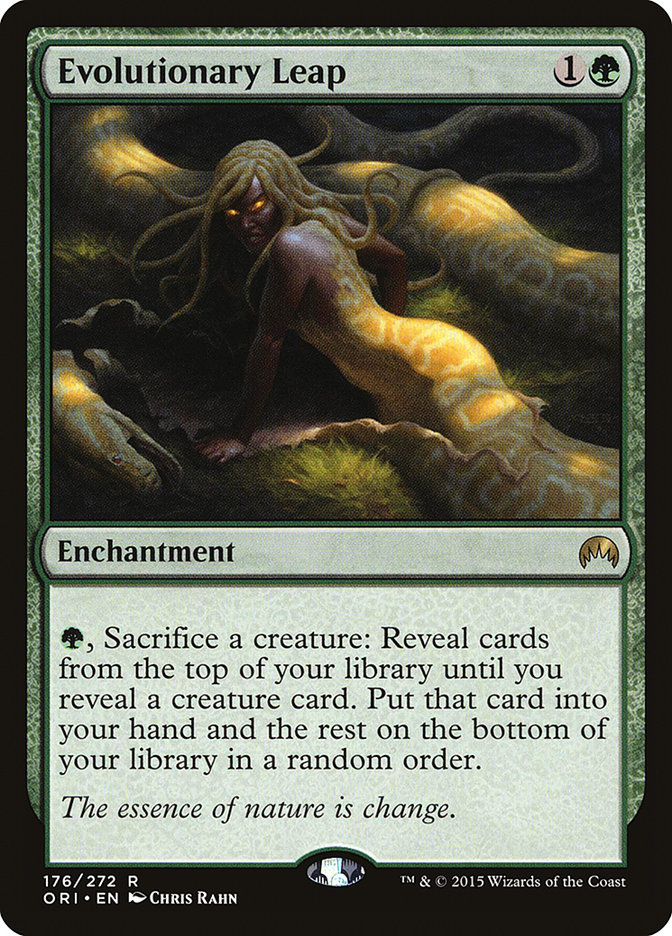
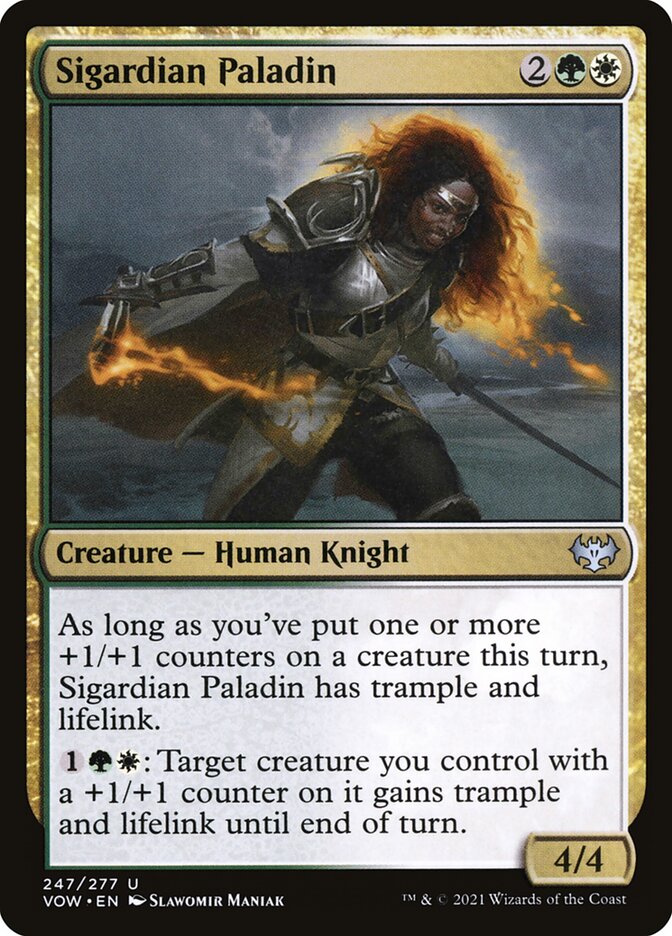
The support cards are also complete gas. Without getting too deep in the weeds here, I did want to briefly mention a few standouts that I’m really excited about. Sigardian Paladin is a cool little number that significantly elevates Asmira in combat for when the time is right to smash. There are equipment out there that can accomplish this same goal more efficiently over a longer game, but it didn’t feel appropriate to open myself up to artifact hate when I have a deck that is already very adept at protecting creatures. Evolutionary Leap is an already great card that gets turned up to eleven here, and easily turns the corner from being a resource-neutral selection tool to pure, unadulterated card advantage. Oh, and speaking of card advantage, we are going to be drawing a million cards off of Fecundity. You may be asking yourself why we would play a symmetrical effect such as this. Well, the answer is that it is literally going to draw us a million cards. Our opponents can be allowed to draw some cards too, as a treat. I do really think that symmetrical effects like this go a long way to keeping everyone gassed up and the good times rolling — the best games are those where everyone has the means to meaningfully participate, so I’ll happily throw a couple powerful symmetrical effects in a deck to facilitate that.
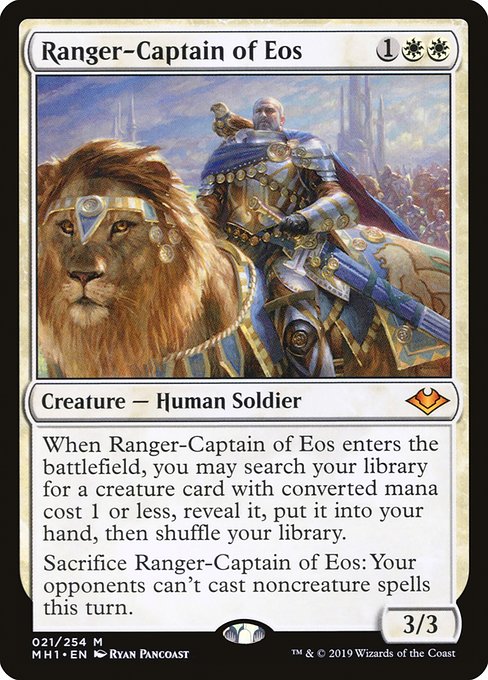
I think the card I’m most excited to cast in this deck, though, is Protean Hulk, and it’s not even close. I’m very much looking forward to plopping out a Hulk and subsequently searching up six individual creatures to form a posse for Asmira. As a big fan of getting simply two creatures with Ranger of Eos (small potatoes!), I’m really interested in chasing that feeling in a new and exciting way. I’m not even going to waste my time trying to draw up pre-planned Hulk piles, but rather just grab my six favorite critters at the moment and drop them onto the battlefield. You can’t go wrong in any capacity here.
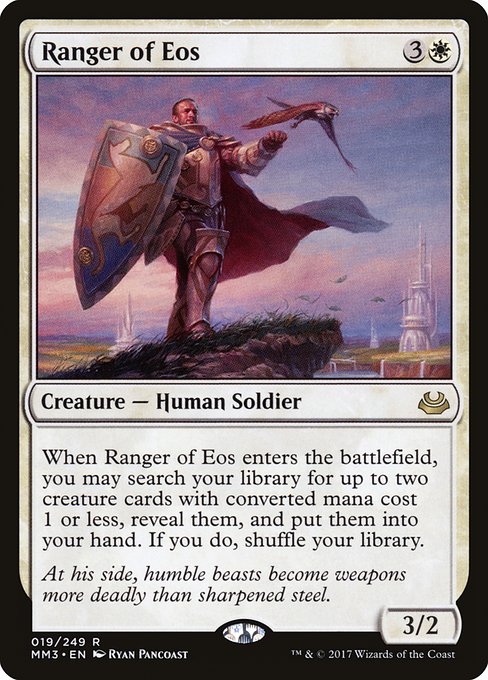
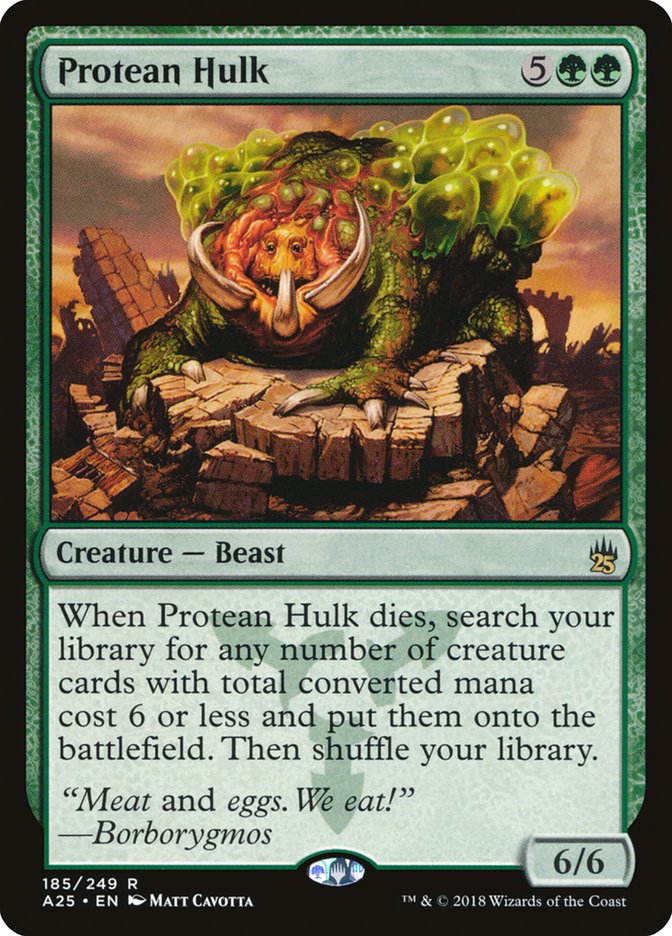
So here we are. We’ve got some good bones for an aristocrats-style sacrifice deck that is able to completely eschew black and explore some new interactions and sweet synergies. Obviously, something like this isn’t going to be on the same power level as it’s black-focused brethren, but it’s cool, functional, and gets to put some really neat cards in the spotlight, which, to me, is a really exciting part of Commander. My first draft of the deck is here.
What are some of the ways that you, dear reader, may have shaken up this archetype yourself? What other non-black avenues can we explore? I’ve got some suspicions about Boros already, but certainly there are other non-black color combinations that can scratch this itch. Hopefully there is some practical insight here as to how any, literally any, commonly accepted archetype with commonly accepted staples can be turned on its head to elevate a whole new suite of sweet cards that most folks wouldn’t see in that space otherwise; these established strategies can be a lot more malleable than you might think.


Always a delight to read your articles. I had a similar reflexion while playing and iterating over a Sek’kuar jund aristocrats pile for the last ~7 years (my first ever built commander deck). It started as a “whatever jund cards I can put in my deck that I have lying around from my sporadic collection that loosely fit the sacrifice theme”, and while keeping some favorites, was slowly drifting over the years towards the same staples cards from every optimized aristocrats lists. Games felt all samey, and it wasn’t fun most of the times for my regular play group. It really accelerated these last few years. I needed a change. I looked for something that was unique to Sek’kuar in order to narrow my field of search inside the aristocrats pool, and ended up with a multicolor theme. I play almost only multicolor creatures with some connection to the aristocrat theme in my list. So while having some really powerful cards, it does not win as effeciently as most traditionnal aristrocrats builds without access to the usual mono-black suspects. And the deckbuilding is very fun, although almost too narrow, but it means I am always looking towards new release for only a small subset of cards, and if a fit comes up it makes me really excited.