
With the release of Duskmourn comes the release of another set of Pauper Commander preconstructed decks. I want to get into my goals for this project first, and then we’ll get into the decks themselves. Deal? Deal.
Starting at the top, good preconstructed decks are comprehensively themed. Whether around a mechanical or narrative identity, a good preconstructed deck will feel cohesive and provide a consistent experience game after game. Which is to say, that despite the variance inherent in a format like Pauper Commander, each game played will allow the player to “do the thing.”
The theming of a Pauper Commander precon deck should also guide the player in the process of upgrading the deck over time. With access to so many cards from throughout the history of the game, precons should have a clear enough identity that the player can, with a little ingenuity, find ways to build out the deck and upgrade it. The initial deck list should shy away from cards with little value over replacement wherever possible, and focus on clear examples and common denominators of the identity it is trying to communicate. Power level can be a consideration, and should be as it relates to the rest of the decks in that particular release environment, but there is little to gain from trying to optimize things out of the box.
My big issues in recent years with Commander precons is that I feel like they are getting bogged down with overly complex “designed for Commander” effects that not only come with a wall of text but are also difficult to parse for new players – this is a problem that compounds itself because time spent trying to figure out what the cards do in real time detracts from time spent actually engaging with the game on a macro level. It’s a very real decision paralysis that comes with overly complex templates and interactions. This is not to say that they aren’t fun for established and enfranchised players, just that the on-ramp for folks looking to use these decks as an entry to the format is getting progressively steeper.
In terms of mechanical complexity, Pauper Commander has an inherent advantage. Common cards enjoy simpler, scaled-down and redundant effects that see a lot of small variations across sets. For example, a card that returns a permanent to its owner’s hand not only sees a lot of redundancy to solve for consistency of experience through gameplay, but also variation in terms of tertiary effects attached to the spell. For example, see Disperse vs Unauthorized Exit.
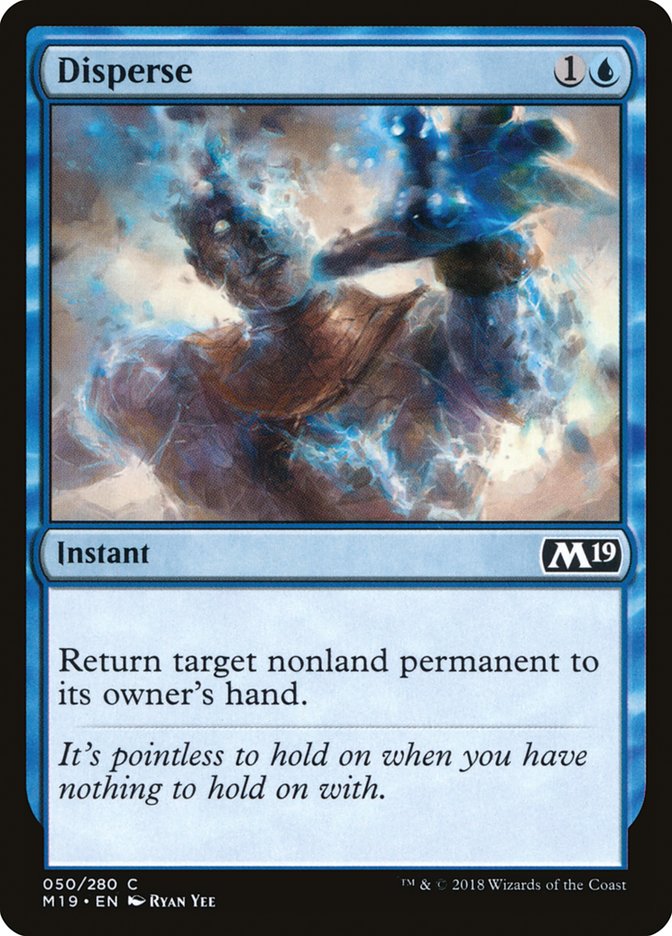
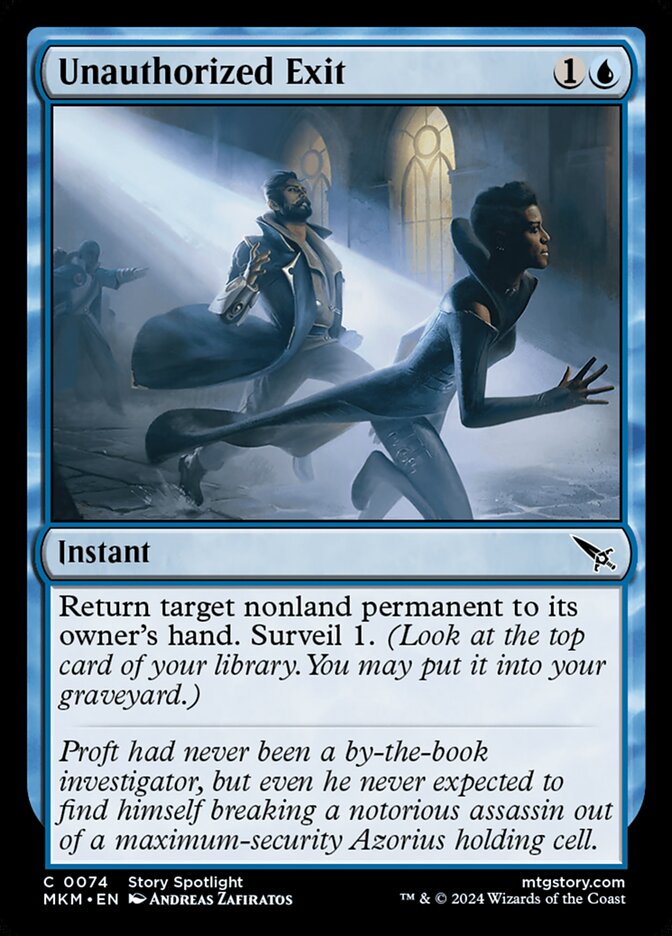
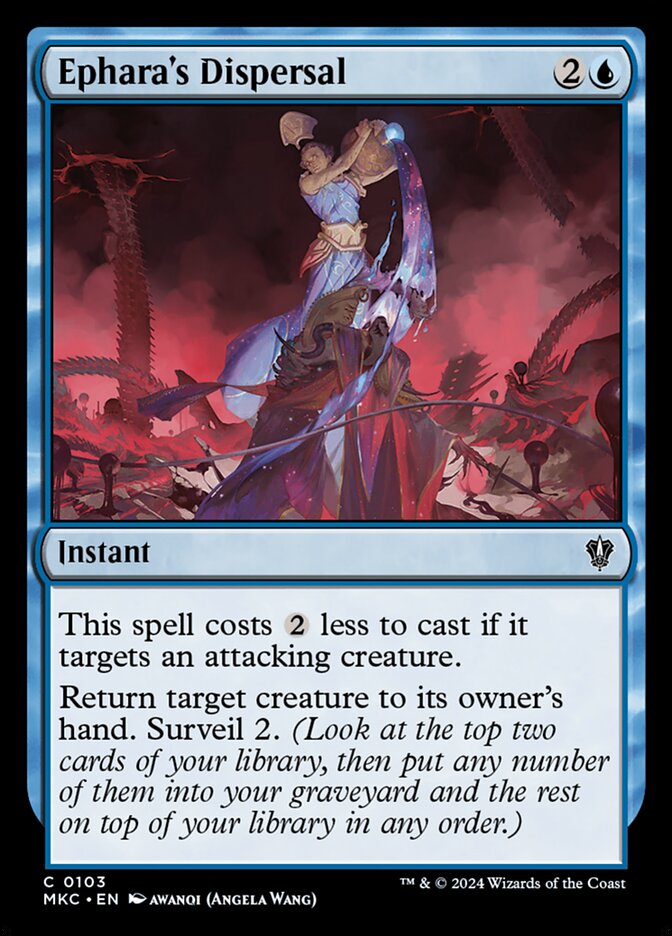
The benefits of this are two-fold. First, it gives a good initial gauge of power level. Seeing how these different spells, while accomplishing the same macro goals, influence other aspects of the game is a crucial first step to understanding how a deck can be upgraded or tweaked to accommodate playstyles and playgroups. Second, the redundancy provides more opportunities to utilize these effects across a broader variety of game states. As a gateway product, there is a lot of value in allowing as many opportunities as possible to learn what really matters in the format. In Pauper Commander, for example, combat matters a lot more than it does in Commander, and we can use different interactive templates to highlight this. See Unsummon vs Ephara’s Dispersal.

This is a big reason why raw power level isn’t a driving factor in how I like to design decks in this space. Cards that are lean more synergistic than powerful-in-a-vacuum are able to provide more eureka moments for players, and, again, get the wheels turning for how that player may want to adjust or upgrade the deck. I think a huge part of what makes Commander resonate is that mixture of exploration and self expression. Planting the seeds for that in preconstructed decks is essential, and it’s a tricky balancing act to not take too much agency away from players in how they may want to build out their deck.
The emphasis needs to be on simple, functional, clearly intentioned cards and effects. More time spent playing will result in a greater ability to synthesize complex effects. The goal of a preconstructed deck, from a technical perspective, should be to lay that foundation. Second, a game that is mechanically simpler leaves more room to acclimate to the social multiplayer experience. Less time spent trying to figure out the permutations and ramifications of complex effects increases the time you are interacting with the rest of the game substantially. Mental bandwidth is already taxed in a game of Commander, and for those who aren’t entrenched in the format, it can easily become overwhelming.
So, all that said, let’s talk briefly about my Duskmourn preconstructed Pauper Commander decks.

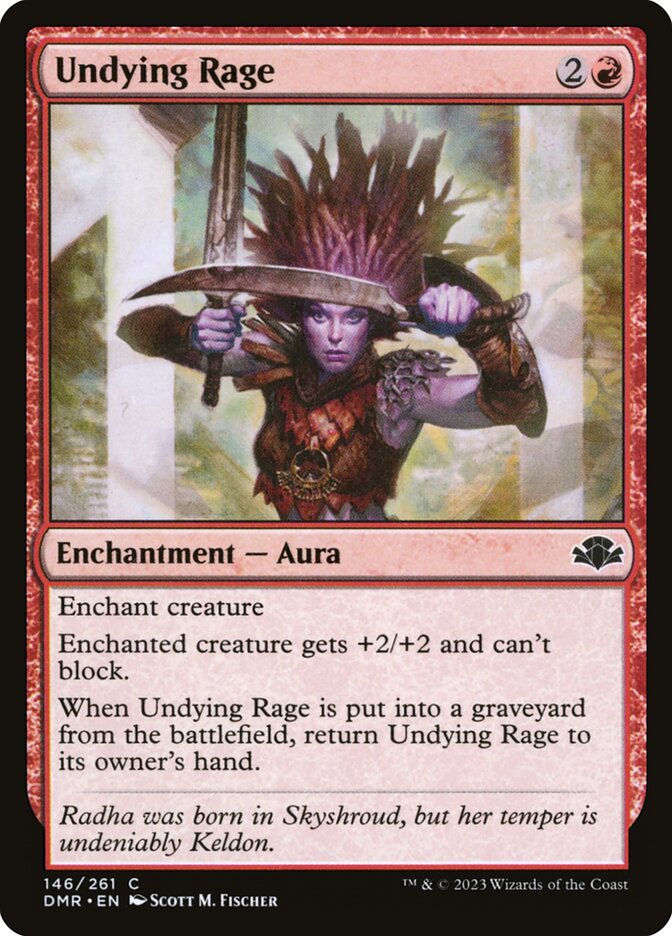
This is a pretty fresh take on the black/red sacrifice archetype with Sawblade Skinripper at the helm. Skinripper is interesting in that it allows us to sacrifice enchantments as well as creatures, and this lets us steer away from the more common infrastructure we see for this archetype. There has quietly been a lot of enchantment support in black recently and this seemed like the perfect place to highlight it, from role tokens, to bestow, to enchantment creatures in general. I’m most excited about the auras – there are a lot of really cool auras that can pull double duty, providing cool on-board tools and serving as great sacrifice fodder for the Skinripper. Some highlights for me here are Chime of Night as a cool rattlesnake card, and Cracked Skull from Duskmourn, allowing us to put its damage trigger on the stack before sacrificing it for value. Not to mention Undying Rage, which is just a pet card of mine.


This one has felt a little slower in testing, but capable of stringing together a lot of value chains that turn the Sawblade Skinripper into a singular, game winning threat.

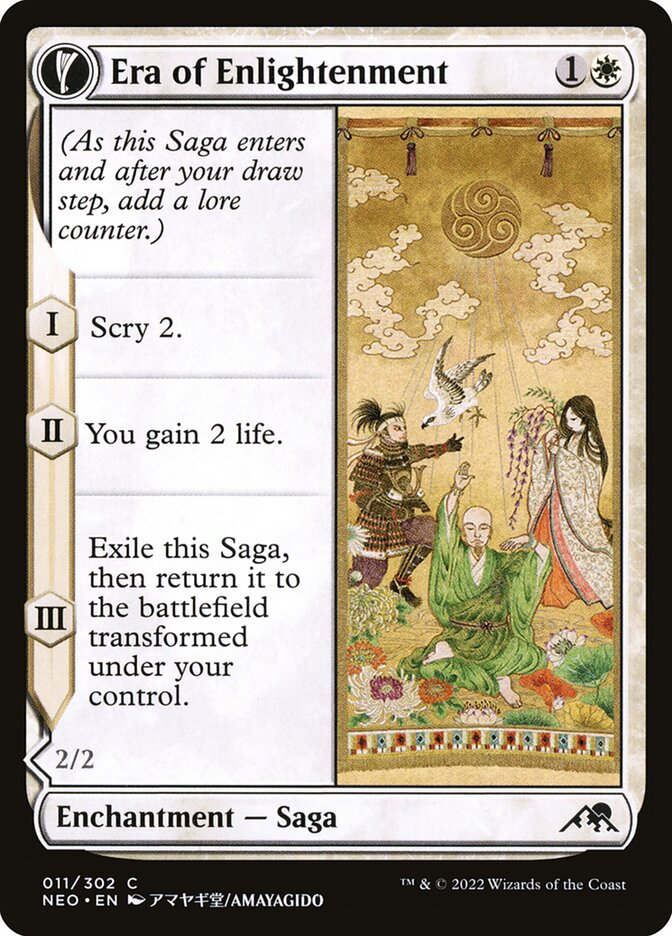
What we have here is the exact opposite of the previous deck – a white/blue enchantment deck with Gremlin Tamer. There are a lot of cool enchantment synergies in these colors, and we get access to a lot of the same mechanics as the black/red counterpart. We also have access to some cool disturb cards from the recent Innistrad sets and the tokens we create make bargain and convoke spells more appealing. This deck is really good at gumming up the board with its token output, but overall the creatures are pretty fragile. Some cards that I think pull a lot of weight in this deck are the sagas that transform into enchantment creatures, which generate a ton of value on their own, let alone giving us two separate triggers from the commander. I am also really excited to see Floodtide Serpent in action as a beefy body that lets us rebuy our controlling auras in a pinch, or press the advantage with something like Flight of Fancy.


This is definitely a deck that can get out of hand, but it’s all pretty telegraphed. Never underestimate that mischief that a horde of Gremlins can cause when left to their own devices.
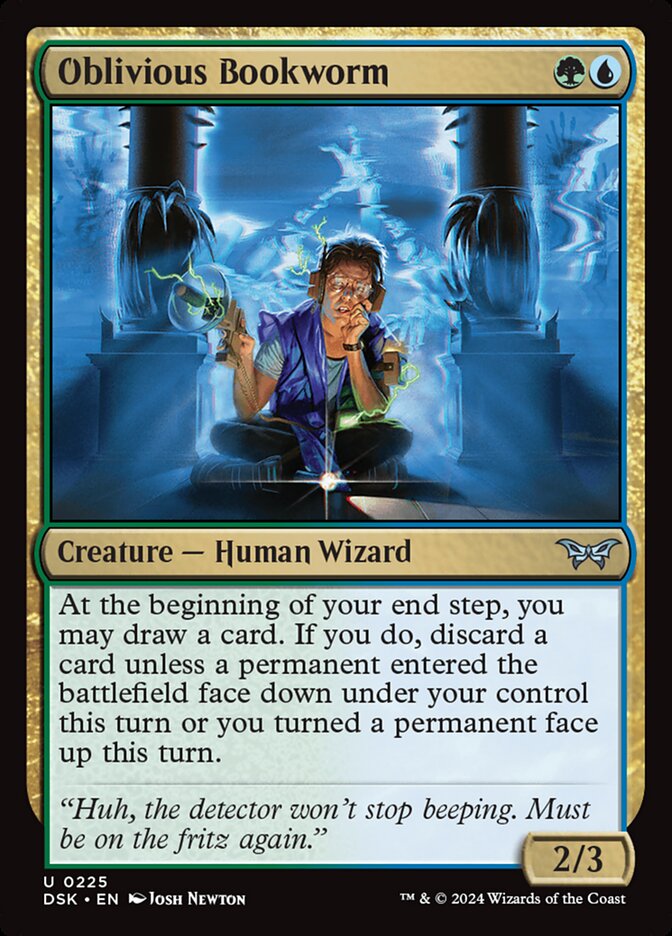
Here we have a pretty straightforward blue/green deck centered around mechanics that generate face-down creatures – morph, manifest, manifest dread, etc. Oblivious Bookworm is such a great commander for a strategy like this because it provides us with a steady stream of card advantage if we can just deploy our face-down creatures and flip them up. We’ve got quite the variety of creatures to choose from here, as we’ve gotten a good amount of extra support recently with the disguise mechanic. As if just flipping our creatures up and down wasn’t great enough, we’ve got plenty of effects that will return our creatures back to our hand to re-deploy, and also some ways to manipulate the top of our deck as well for cards like Manifest Dread or Write Into Being.
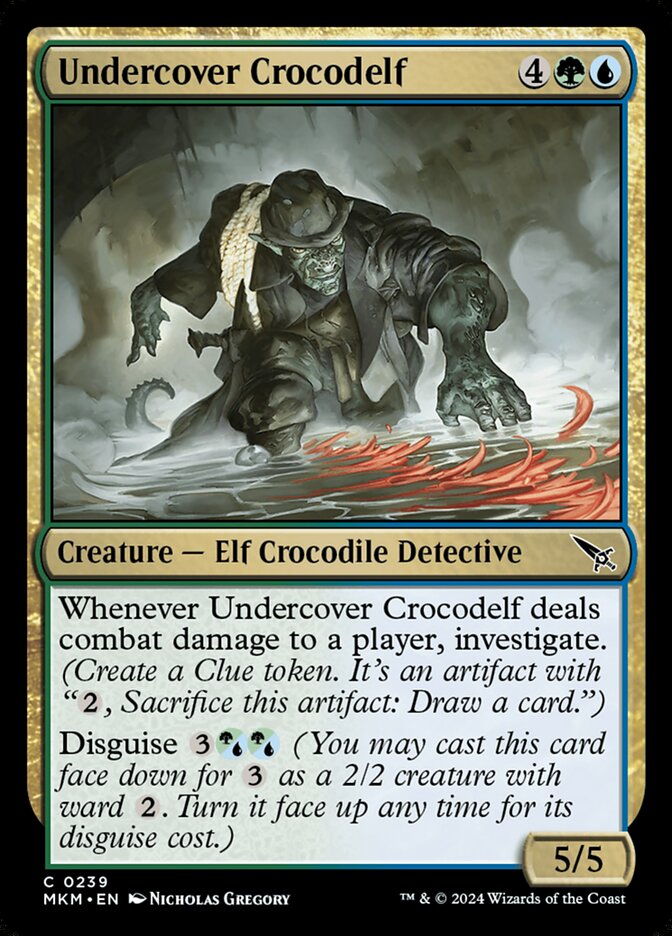
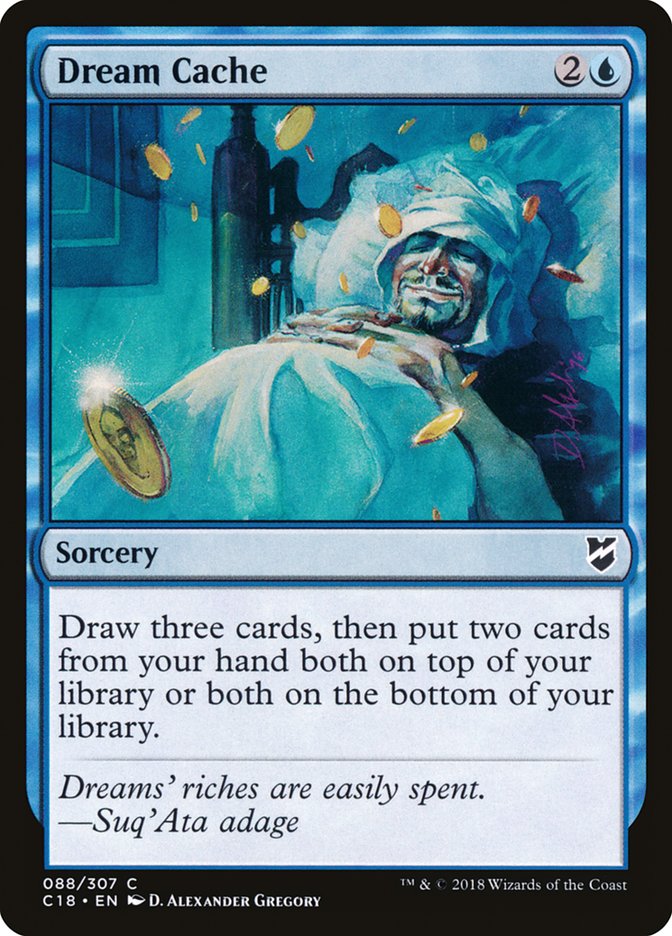
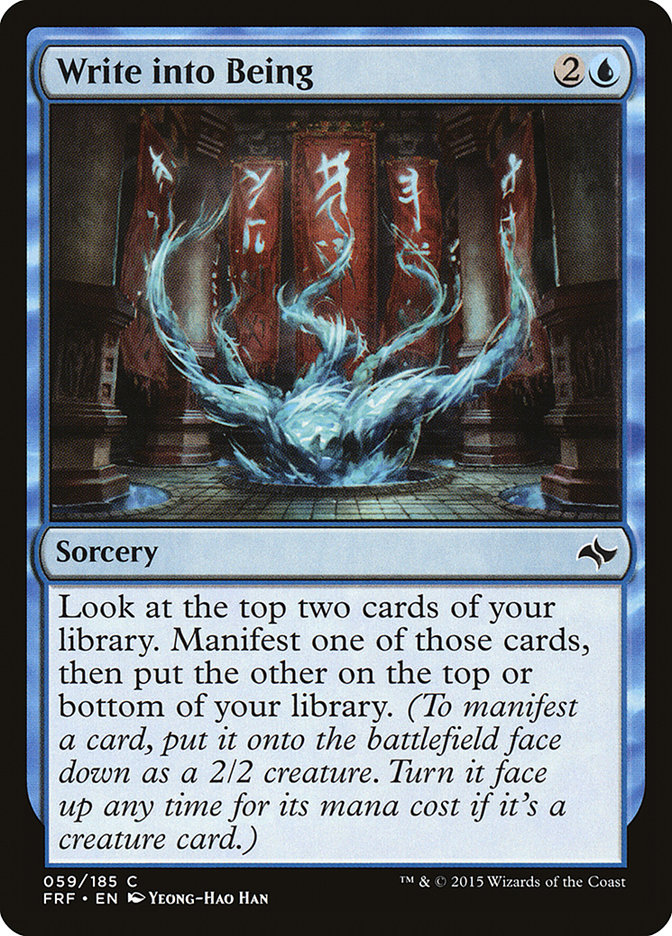
This deck has a lot of play to it, and provides ample opportunity to outsmart your opponents and bluff your way across the finish line with your very own shell game.
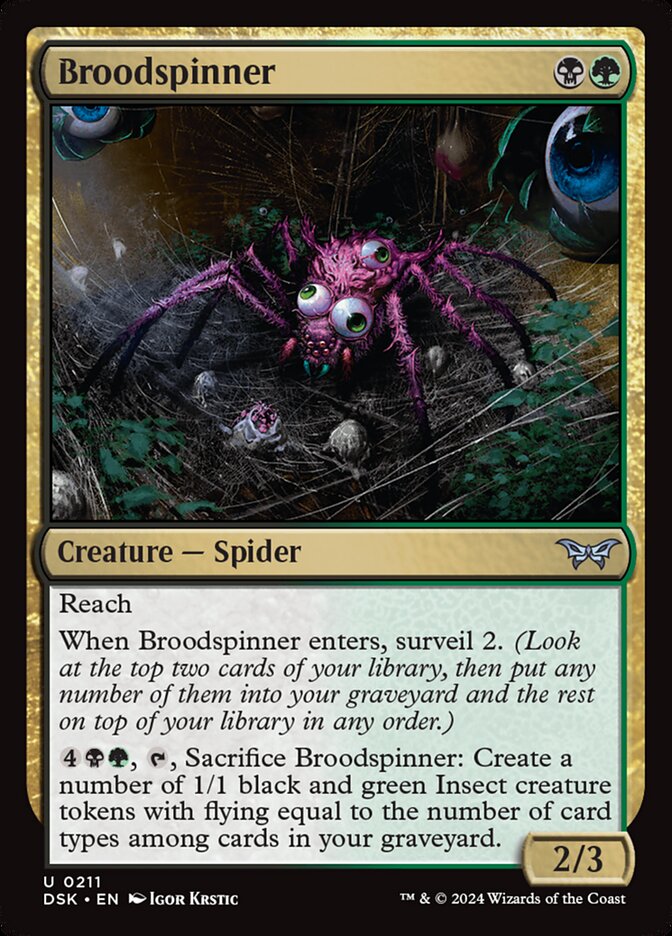
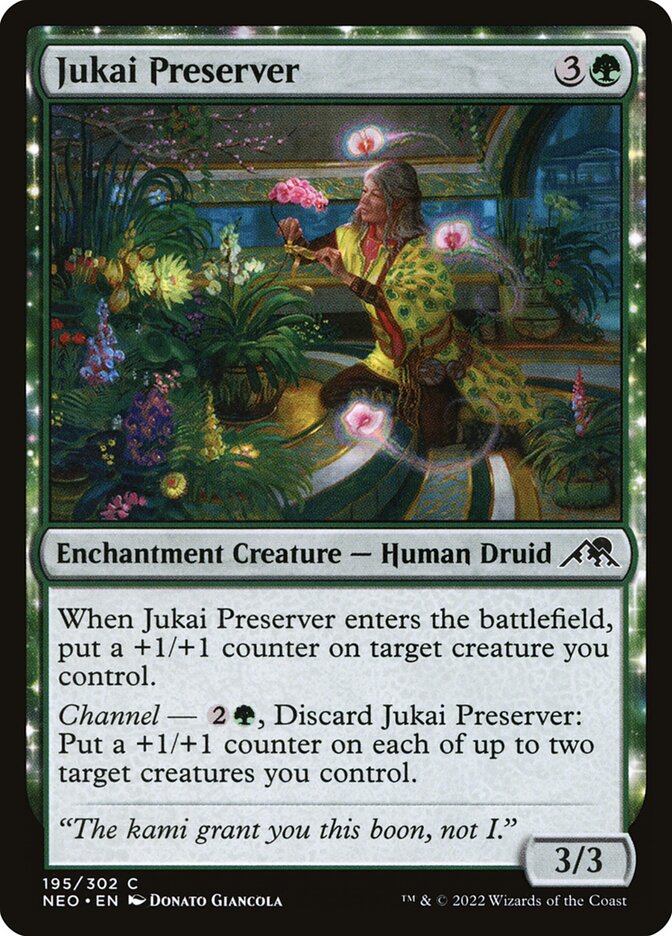
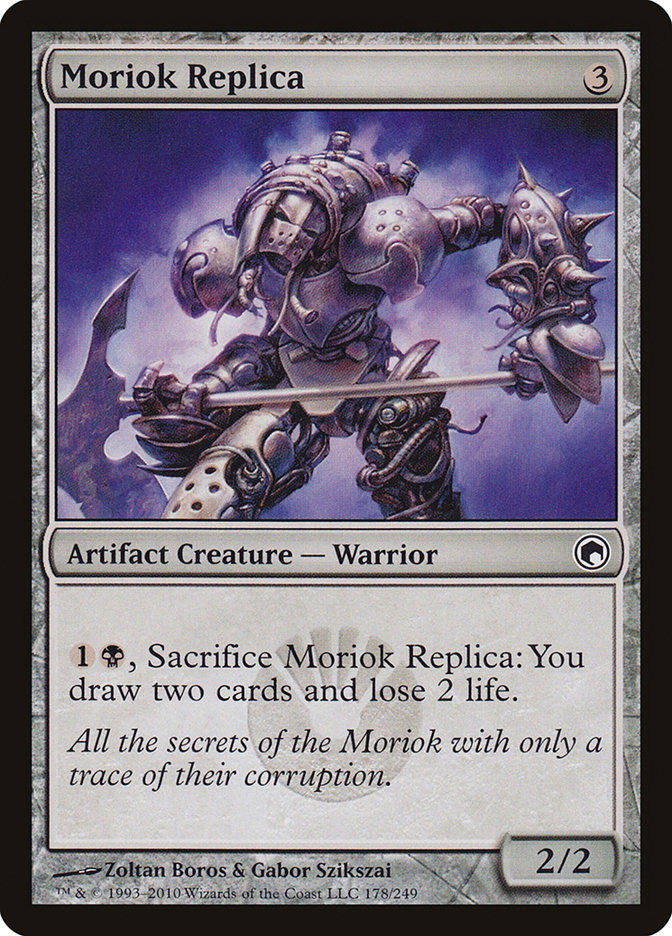
Last but not least, we have our black/green delirium deck headed up by Broodspinner. This is a deck that has a lot of self-mill effects to dump as many different card types into the graveyard as possible. These decks are always tricky to build, just because you have to be very intentional with the card type balance in the deck, but also making sure that the deck feels cohesive, since we’re drawing from so many different card types that care about different things. The creatures are really the best place to focus – there are so many creatures with multiple types (artifact and enchantment creatures) that play great as bodies on the battlefield but can also sacrifice themselves or discard themselves for additional functionality.
This is a deck that doesn’t feel particularly powerful as it plays, but it really pops off when you are able to sacrifice the Broodspinner and start generating insect tokens – it isn’t hard to create five or six each time, and they will swiftly overrun your opponents.
These four decks were a real pleasure to design and I’m really proud of where they ended up. Please, take them and do as you will! If you end up playing with them, I’d be interested in hearing how they played for you.
 commander, dear reader