
If there’s one thing Commander players love, it’s drawing cards. They just can’t get enough. Look at them, falling over themselves to just draw more cards. Lucky for them, there’s no better format out there for drawing cards than Commander. The spells and effects available to a broad spectrum of decks has really made keeping our collective hands fully stocked somewhat trivial. This isn’t a bad thing, but it does set a tough expectation to reconcile when moving from that space into Pauper Commander, and being forced to reckon with just how important card advantage is. Pauper Commander is a format where individual resources matter a lot more, so it’s important to have a good grasp on the sorts of tools at our disposal and how they may differ from the Commander decks we’re used to.
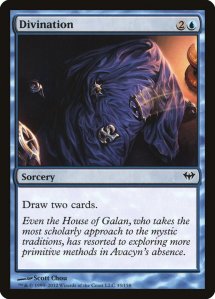
The idea behind card advantage is actually deceptively simple. At the fruit-juicy center, it refers to having access to more cards than your opponents. Drawing cards is obviously the clearest way to generate card advantage, but while Commander has access to a lot of effects in all colors with which to do this, Pauper Commander is much more limited, with the vast majority of draw spells limited to Blue and Black. Divination is probably the best design to illustrate this dynamic. If you and your opponent both have a hand of seven cards, and you cast Divination, you are expending that one card and replacing it with two. Now, you have eight cards in your hand versus your opponent’s seven. In Blue and Black, there are many cards that follow this model. Blue spells are pretty unparalleled in their ability to just straight-up draw cards, but Black also has the ability to lean into discard effects to generate card advantage as well.
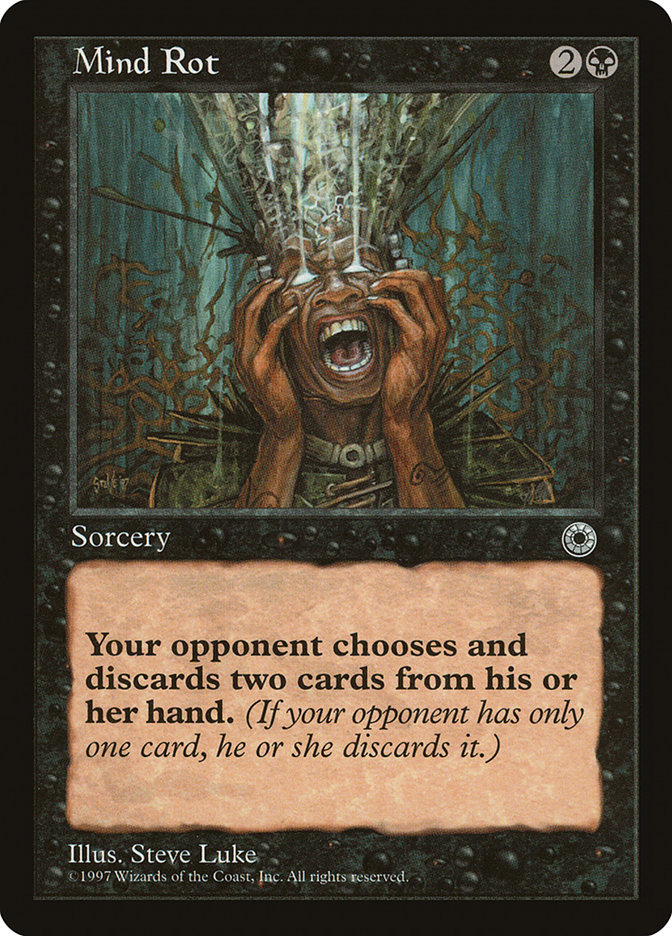
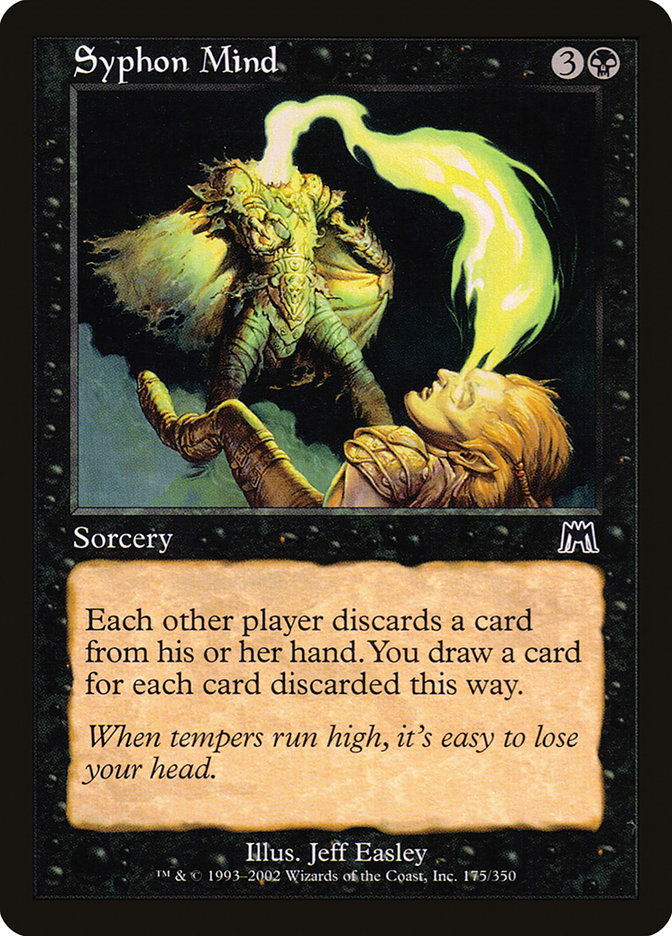
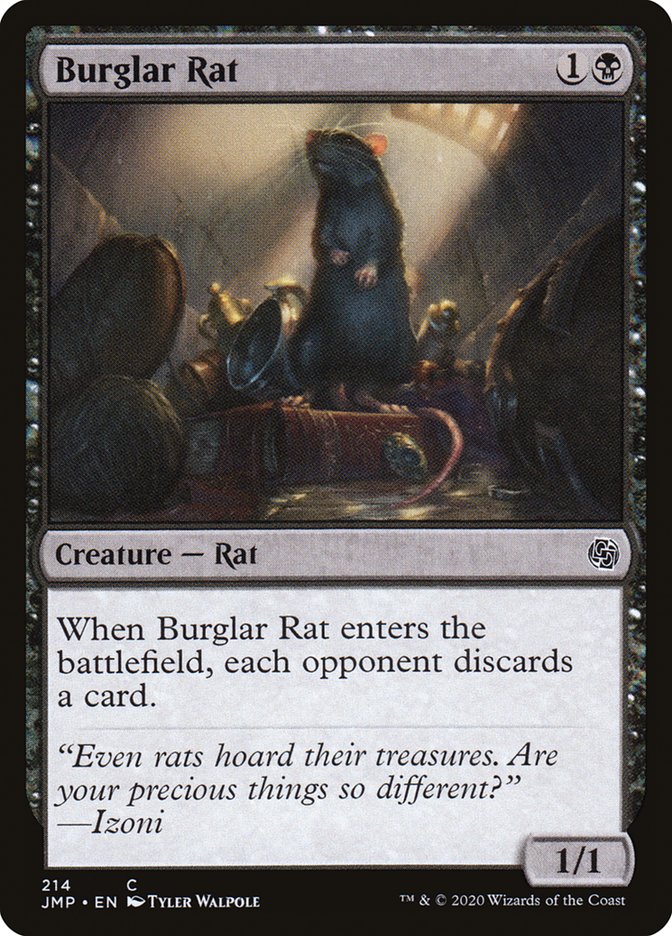
Black excels in effects that cause players to discard cards, and these are in many ways the inverse of Divination. If we cast Mind Rot, we are spending one card to have an opponent discard two. In a multiplayer environment, these single-target discard effects are less impactful due to having to chew through three times as many hands of cards. Syphon Mind is a noteworthy entry here – not only does this cause each opponent to discard a card, but it will oftentimes draw three cards on the back end. Creatures like Burglar Rat are also seeing print more often, and follow a similar dynamic. We cast our Burglar Rat, each opponent goes down a card in their hand (us included, since we are casting the spell), but we’re left with a creature on the battlefield when all is said and done.
There is something to be said for the fact that these effects are rarely going to hit your opponent’s better cards, and that their control over what is discarded diminishes the impact of these spells in practice. It’s certainly a factor in the efficacy of these types of cards, and it is important to keep in mind when deciding which forms of card advantage you want to feature in your deck. This does not, however, shift them away from being anything other than direct card and resource advantage at a base level.
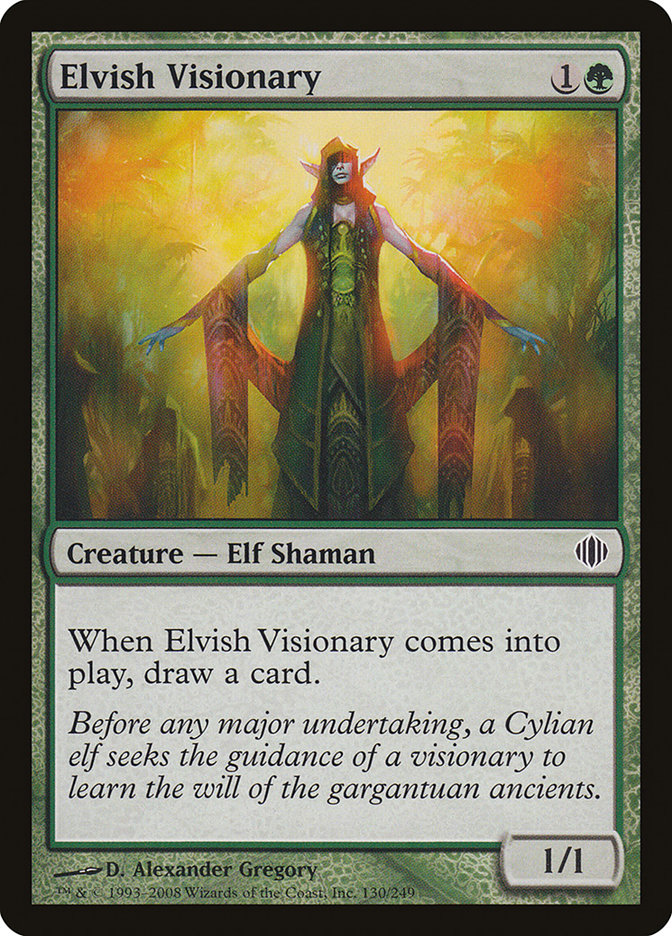
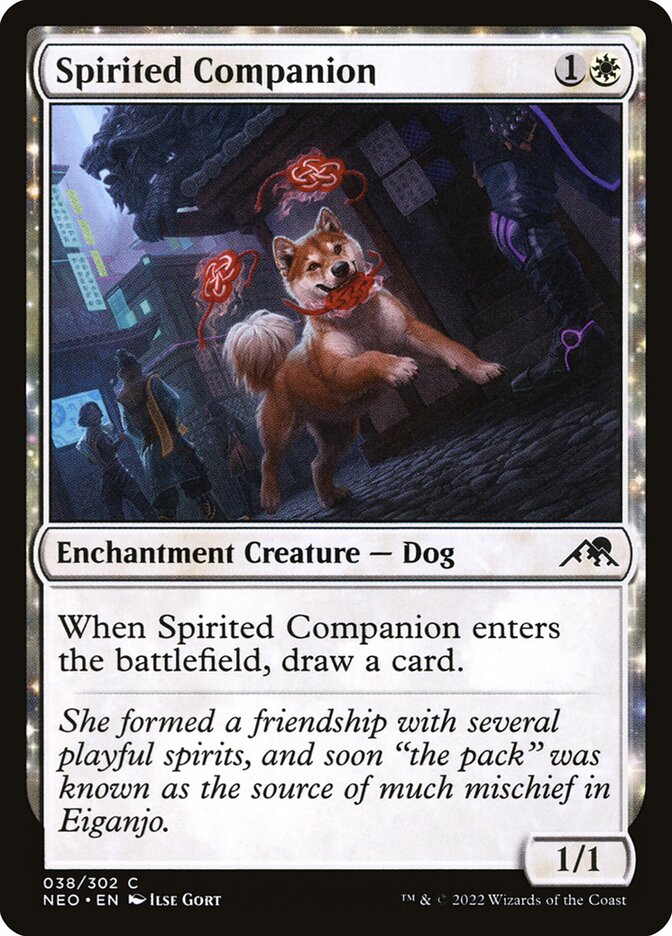
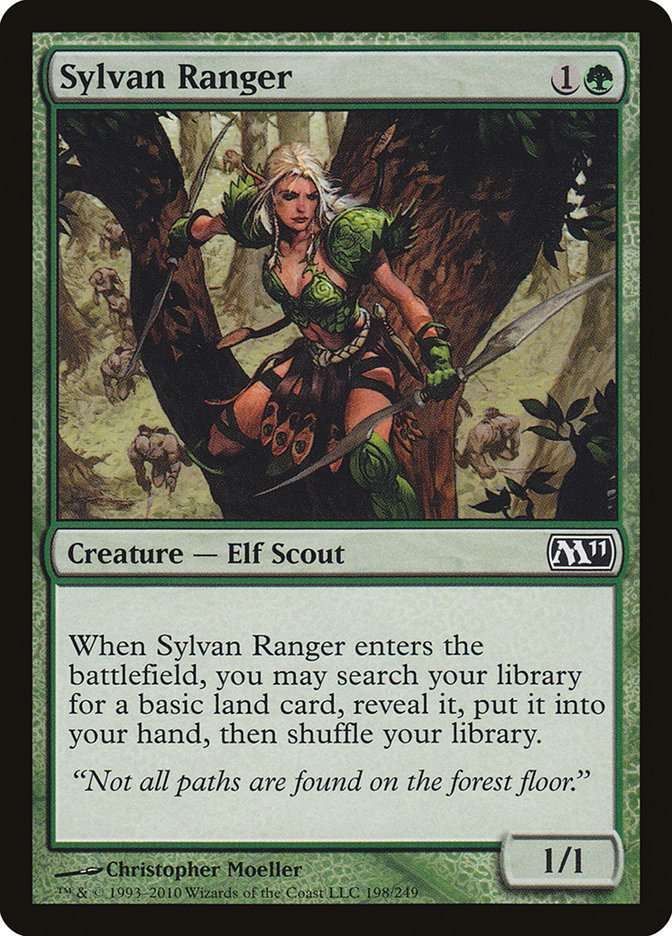
White and Green lack a lot of traditional card advantage tools, and increasingly rely on creatures to shore up those issues – cards on the battlefield matter in terms of card advantage just as much as cards in hand. Elvish Visionary serves as a good model. We cast it, and when it enters the battlefield, we draw a card, replacing it in our hand. We also now have a creature on the battlefield, which translates to that single card leaving us with two resources (the card we drew and the creature on the battlefield). The stat lines on these creatures may not seem too compelling, but there are a myriad of ways to utilize creatures as a resource outside of combat that will increase their value as a resource on the battlefield (the convoke mechanic, Springleaf Drum/Jaspera Sentinel/et al). Most White and Green decks are going to care a lot more about creatures than noncreature spells, so these cards end up doing a lot of heavy lifting. Additionally, with Green specifically, they feed three very powerful draw spells with a very high ceiling.
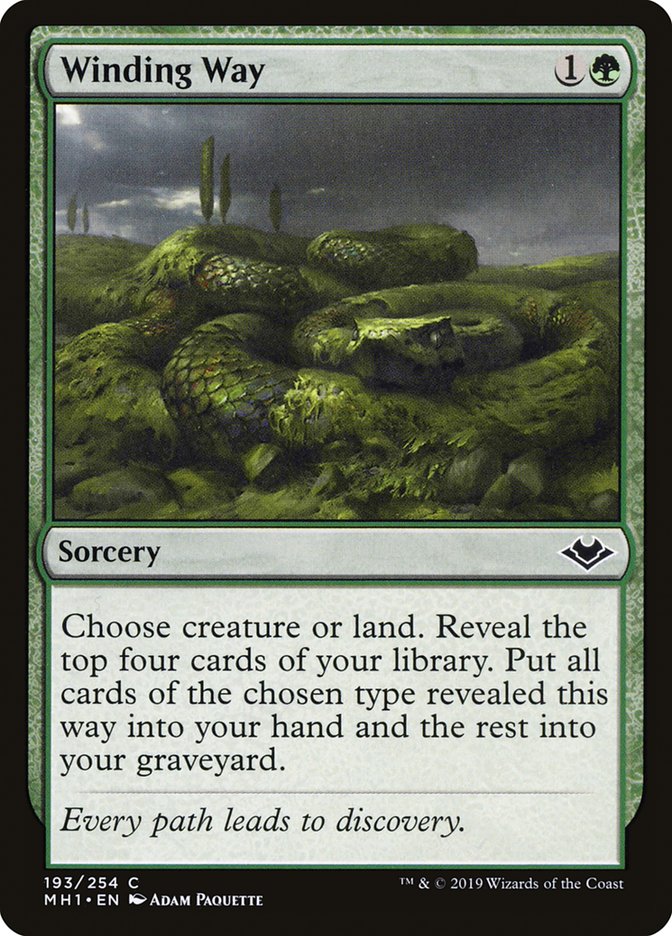
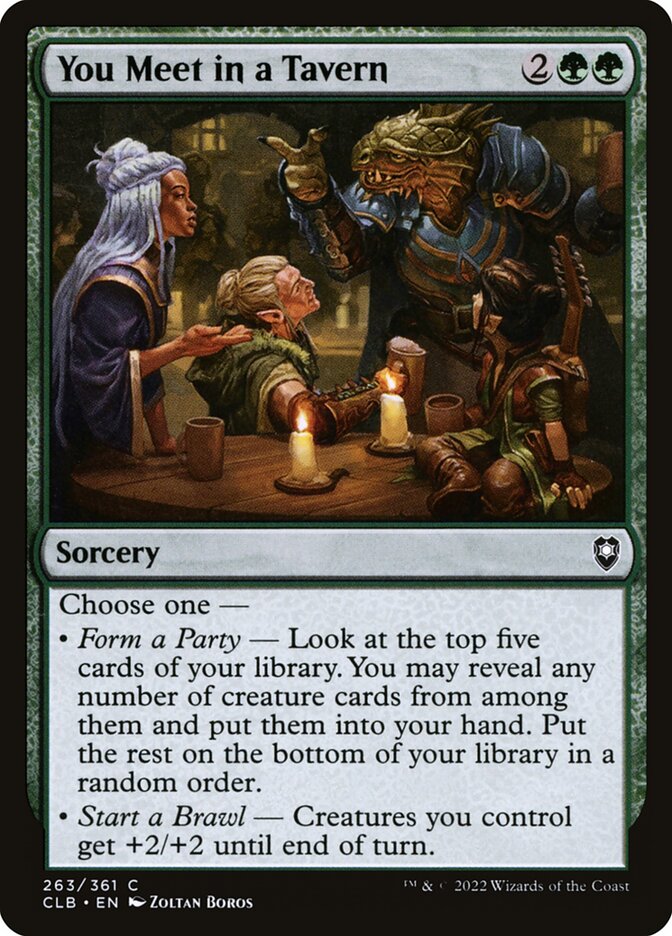

These cards scale super well as we add more creatures to our deck. Buffering our creature count with cards like Elvish Visionary goes a long way to smoothing out draws, maintaining some level of parity with our opponents resources, and subsequently allowing us to really pull ahead when we can resolve these spells.
Red is probably the color that has the most difficulty accruing card advantage in Pauper Commander. Whereas Blue and Black have spells that simply draw cards, Red has spells that require you to discard cards to do so. Whereas White and Green have creatures that will replace themselves in your hand, Red has creatures that require you to discard a card to do so. There are very few ways to generate resources like this that will put us up on cards. Consider Wild Guess and friends.


This has been the baseline for Red draw effects for some time now, and makes up a large amount of what is readily available at common. Needing to discard a card as an additional cost caps them out at simply breaking even in terms of the amount of cards we have, in contrast to Divination, which would put us up by one. However, Red has access to a lot of cards with madness, which allows us to cast the cards that we would otherwise discard to these effects. When we are able to convert the discard from Tormenting Voice into a live spell, it’s as if we really hadn’t discarded anything in the first place, and it converts more cleanly into a 2-for-1 exchange.
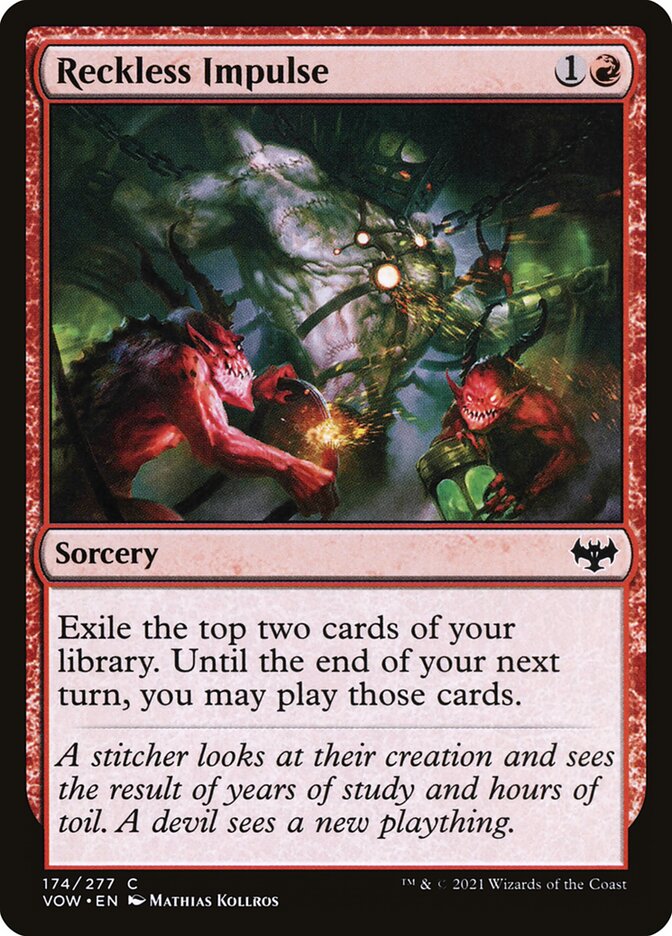
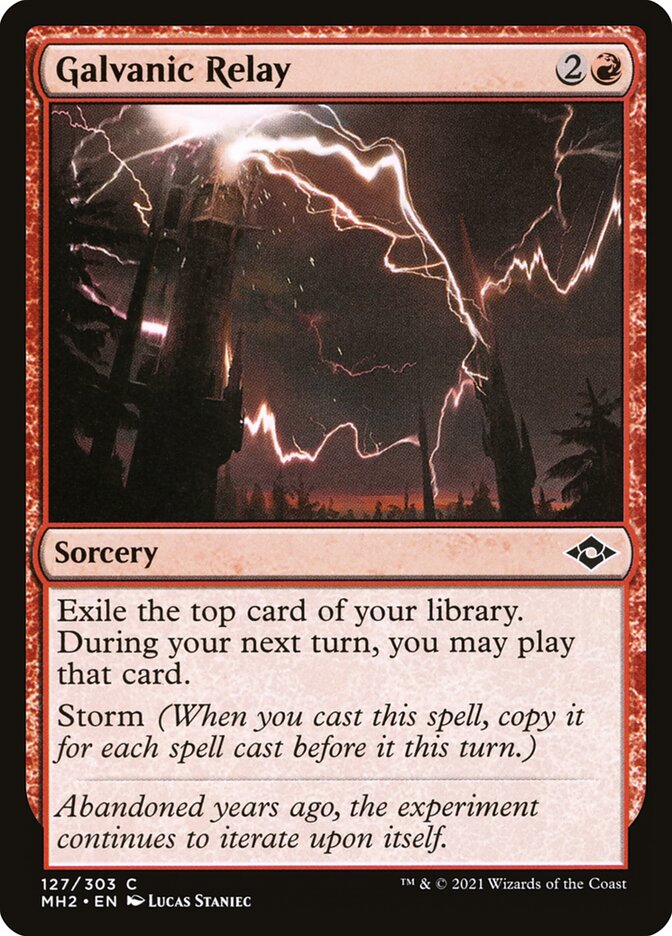
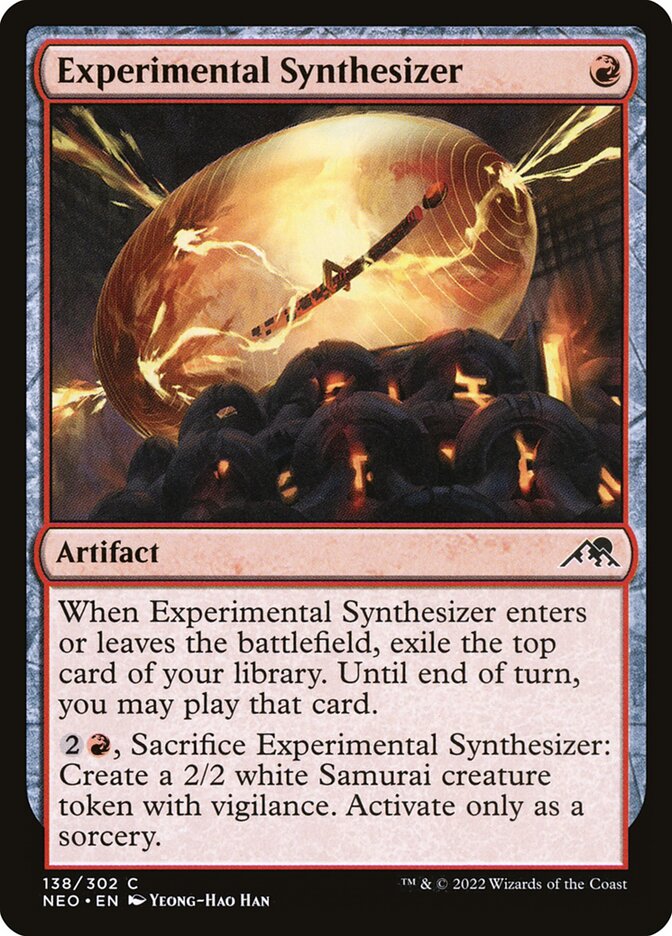
Recent trends have seen Red getting more spells that exile cards from the top of the library to cast on that turn or the next turn, which is the closest thing to raw card advantage that we have. It does, however, come with restrictions – if those cards aren’t cast in the allotted time frame, they remain in exile, inaccessible. Just something to be aware of moving forward as we see, inevitably, more of these effects at common.
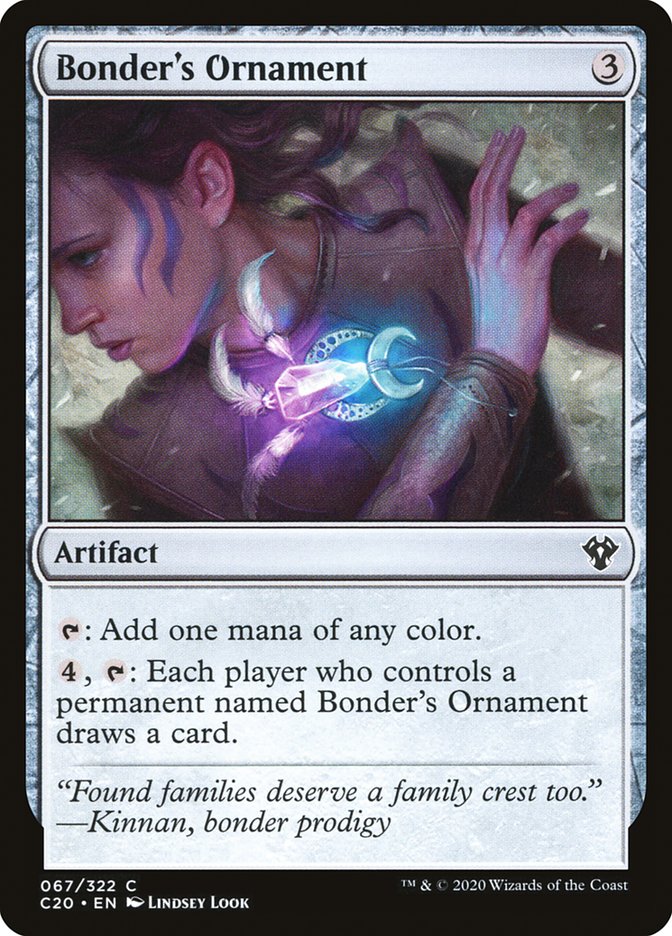
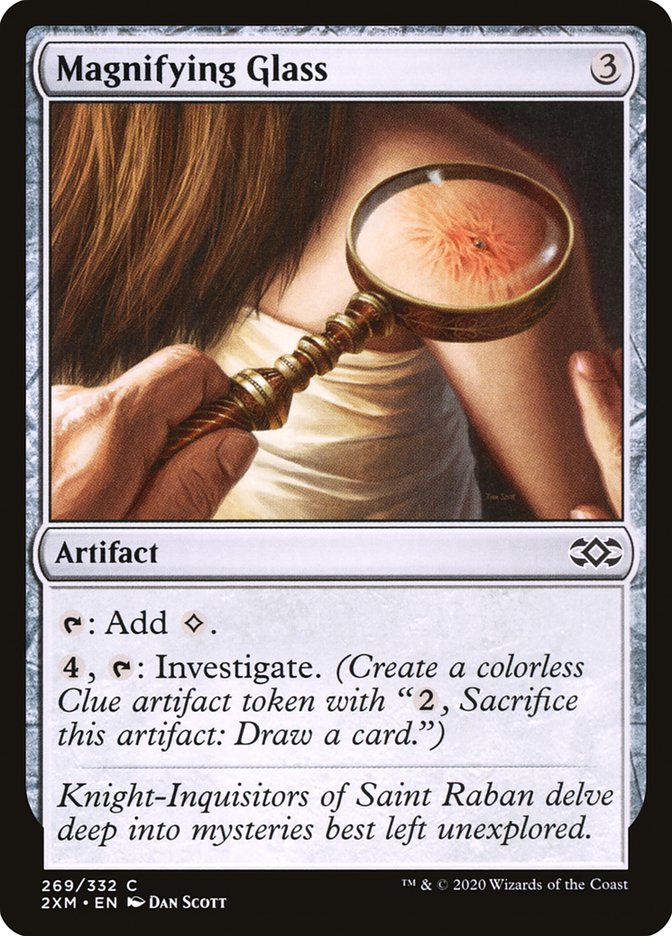
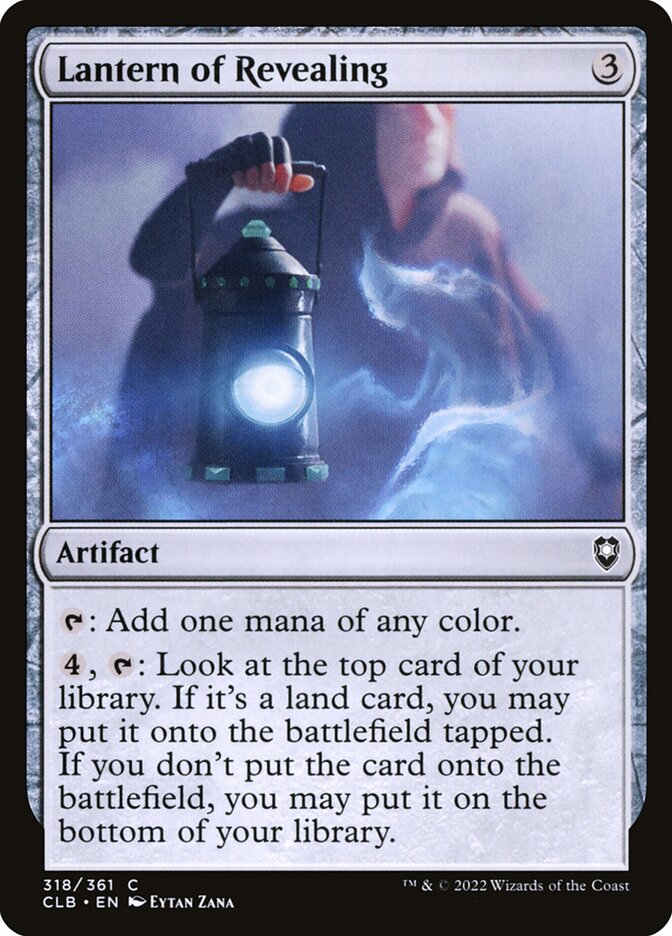
Regardless of what color you’re playing, there are a number of artifacts that will contribute to your ability to draw cards and generate resources. Many of them double as mana rocks, which is really great considering the costs associated with getting these effects online is pretty high. Having a purpose for them until we can be activating their abilities regularly is a huge boost to our quality of life and keeps them from being dead draws early. For most decks, there is very little cost to running these cards and the floor on them is quite high.
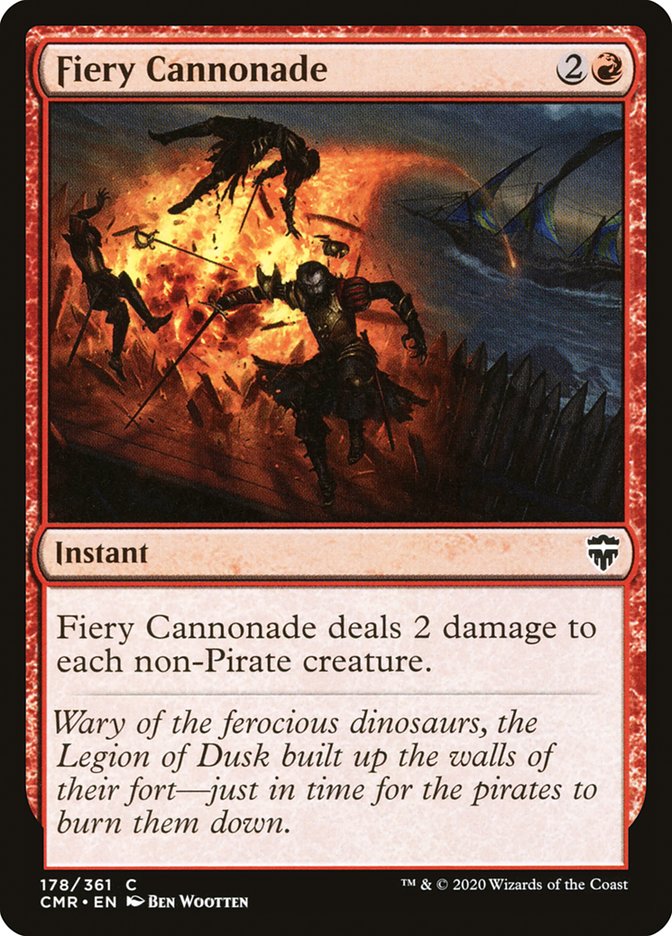
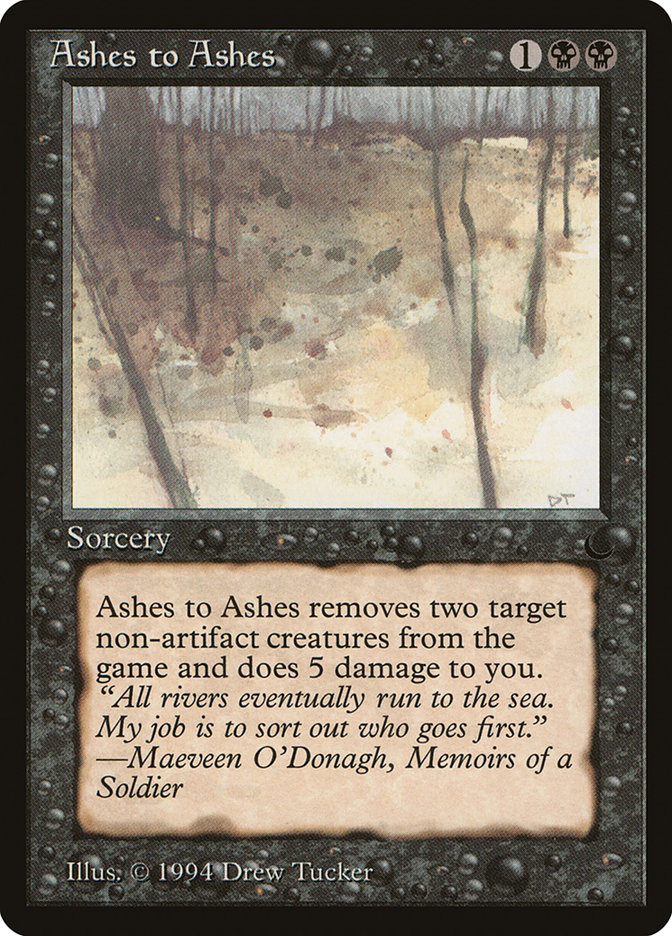
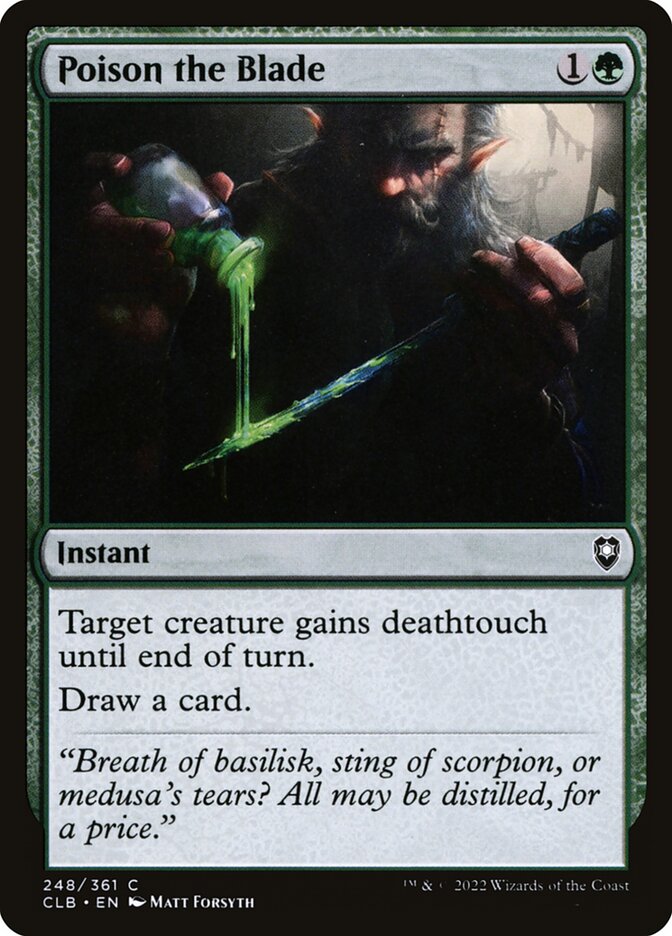
All colors have access to removal spells. Most that you find out in the wild simply facilitate a one-for-one exchange, leaving us card-neutral with the opponent we target. We spend our removal spell, they lose a permanent; very simple stuff. However, there are a number of spells that will hit multiple creatures and eke out a more tangible resource advantage. Sweepers like Fiery Cannonade or Evincar’s Justice are the low hanging fruit here, but there are a surprising number of smaller-scale, targeted options that will shift the ratio in our favor, like Ashes to Ashes. Many single-target removal spells can also simply draw us a card on resolution. Poison the Blade is a great spell in this category, giving a creature deathtouch to remove another creature in combat and replacing itself – don’t forget that many combat tricks like this can be used as surrogate removal spells. There are a lot of ways to construct a removal suite in this manner, with the goal of nickel-and-diming our way over the top of our opponents if we so choose.
Virtual card advantage
Not all card advantage is about access to a raw quantity of cards or resources. There are a lot of ways out there to boost the effective number of cards in our hand, without actually…increasing the number of cards in our hand. Let’s take a look at Guardian Naga.
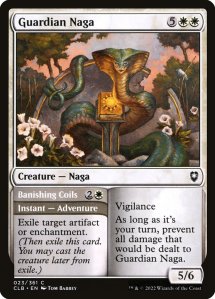
Adventures are a great example of virtual card advantage in practice. While this is technically one card, it is actually two distinct and separate spells, Banishing Coils and Guardian Naga itself. By having access to both spells, we can think of it as, effectively, two cards in our hand. Granted, the sequencing has to bear out on the adventure side of things, but it is not a tough ask. For colors that don’t have access to a lot of more traditional card advantage tools, adventure spells can help shore up the deficiency. Flashback is another mechanic that serves this role. These, too, are basically two spells in one card. Having a card with adventure or flashback in our opening seven translates into a functional eight card hand. It’s called virtual card advantage because it’s a form of card advantage that doesn’t manifest in physical resources.
We run into virtual card advantage in other places as well. With some amount of card selection for example, we are able to increase the likelihood that the cards that we do draw will be more impactful than those of our opponents. Basic cantrips like Opt or Consider are good, basic models of this dynamic. Scry and surveil are great mechanics for setting up the top of our library, and while they don’t put us up on cards, they will have a measurable impact on the quality of cards we end up drawing over the course of a game. After all, drawing a lot of cards is one thing, but if we can’t actually use those cards effectively, then we didn’t really pick up any practical advantage by drawing them.
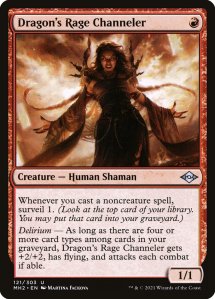
I’ve recently been playing around with Dragon’s Rage Channeler as a commander, specifically with virtual card advantage like this in mind. In the few games I’ve played with it, I’ve found that even though I’m never able to really refuel my hand, I’m able to draw just as many relevant cards as my opponents, sometimes more, simply by having that much more control over the cards on top of my library. So while I’m not actually drawing a volume of cards, I’m able to stay on par with my opponents in terms of cards that matter. Being able to filter lands from the top of the deck when we don’t need them is a great way to stay relevant as the game progresses, particularly when our opponents don’t have that same luxury.
At the end of the day, striking a good balance between different forms of card advantage is necessary to really maximize your experience in-game. No matter what colors you choose to play, there are tools at your disposal to keep the cards/meaningful game decisions and actions flowing. And that’s really one of the biggest roles that these card advantage principles play – they keep the game moving. After all, it’s tough to have a dynamic game of Pauper Commander if no one has spells to cast or things to do.
 commander, dear reader