
While I dip my toes into all sorts of things when it comes to brewing Commander decks, the one archetype I always find myself coming back to is flicker decks. Essentially, decks that generate their card advantage and momentum in a game by repeatedly taking advantage of creatures with ETB (“enters the battlefield”) triggers. This is primarily done with cards that “flicker” the target — a mechanism named for the card Flicker, from Urza’s Destiny, that involves instantly removing a target from the battlefield and having it immediately re-enter.
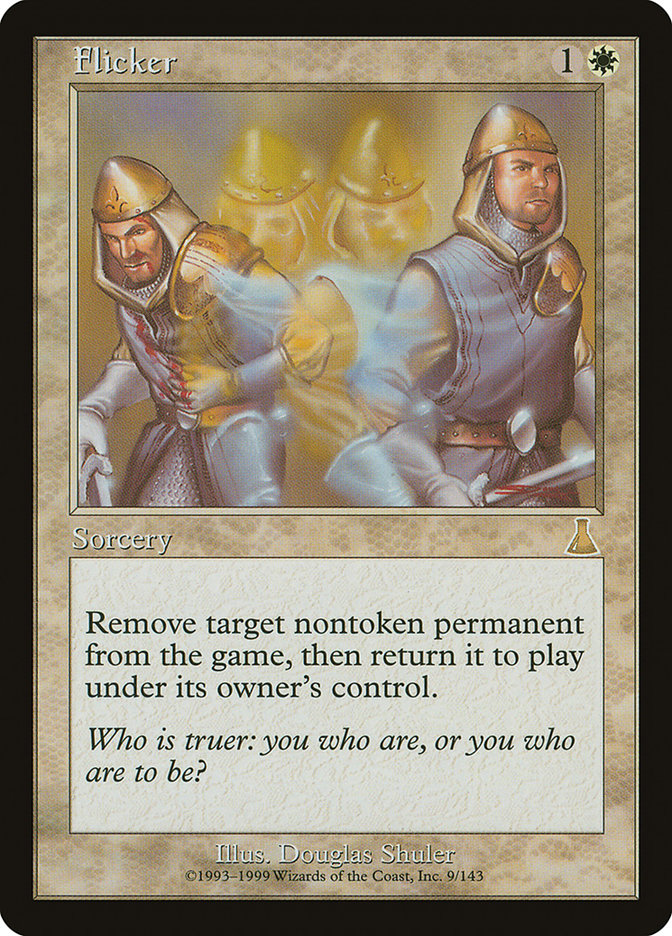
This is a tool that has been iterated on a ton as new sets are designed and released, and there are now a huge multitude of variants that all take their own little spin on the old classic. Not only that, but the amount creatures we have access to that gel really well with this approach has really swelled. It seems like there is no better day than today to be a player with an affinity for flicker decks, and so I want to take some time and really dive into how I approach building them, and how you can brew them too, with your own cards, in your own home. Ok let’s go!
What are we flickering in the first place?
I think the best place to begin is essentially deciding what it is that we want to be flickering. There are a lot of creatures out there that do a lot of different things, so narrowing that down a little to suit whatever goals you have in mind seems logical. Many have triggers and abilities that we want to be taking advantage of either proactively or reactively, but just as many others serve a role as passive game pieces that generate repeated value.
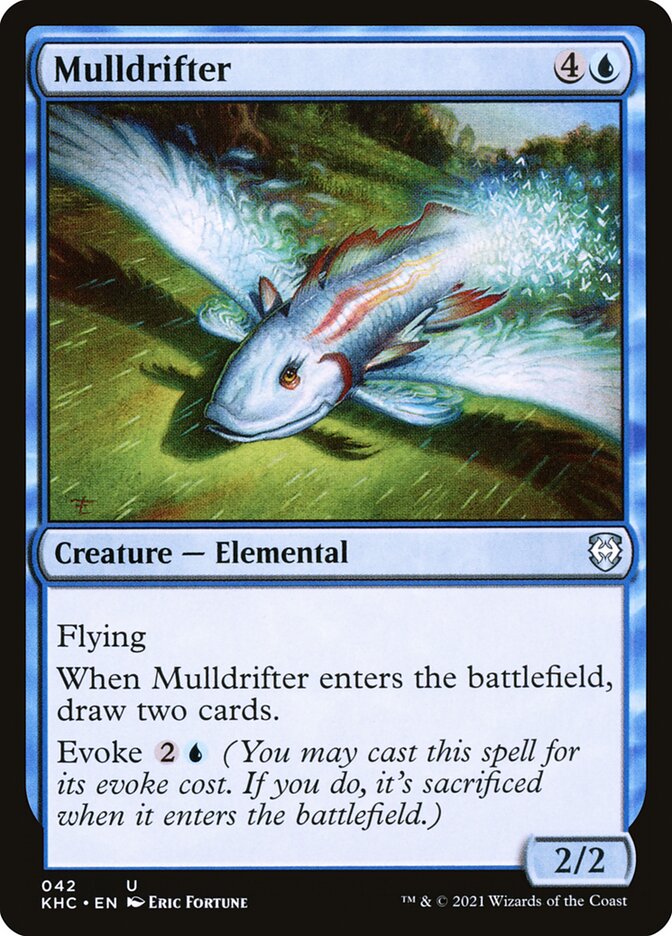

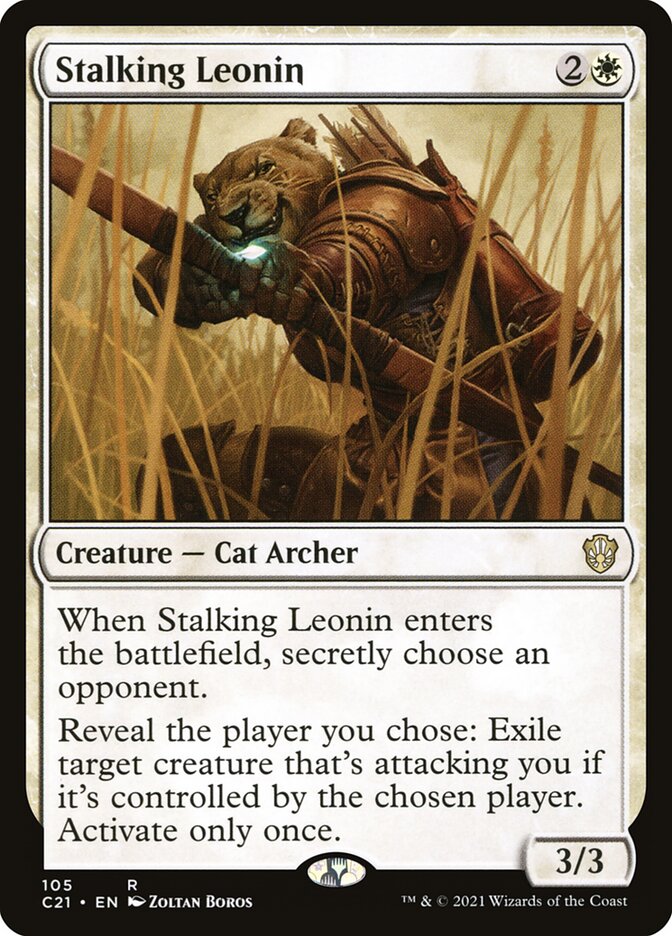
For example, a card like Mulldrifter is a better card for a more passive approach, since the card advantage that it generates will far outweigh the momentum or pressure that it can apply to the battlefield. Emissary of Grudges, on the other hand, is a very aggressive creature, and has the ability to generate a lot of on-board pressure. It hits hard, and we can repeatedly reset it’s activated ability to protect itself, or whatever else, and maintain forward motion. It’s a reactive ability that we utilize proactively — Stalking Leonin serves a similar function, and both are a lot more powerful than they read when put in this context.
Framing different cards in these ways is going to go a long way to giving your deck focus and informing your win conditions, along with the methods you’re going to lean on to flicker them. Another way to frame this divide is being between cards that generate resources versus those that generate interaction. While it certainly makes sense to include a little from column A and column B, it’s important to maintain a clear focus on the path you want your deck to take. Whether that’s to adopt a more controlling or aggressive stance, you don’t want to run into that classic, age-old “wrong half” problem, since you already have to split up your deck into the flicker enablers and flicker targets. Over-segmenting your list could just lead to a lot of ultimately less-than-functional games.
How are we flickering those things that we want to flicker?
Based on the things we want to flicker, or the specific interactions that we are trying to exploit by doing so, we’re going to want to utilize different tools. There is always a right tool for the job, and with flickering, there are three primary things we can be doing.
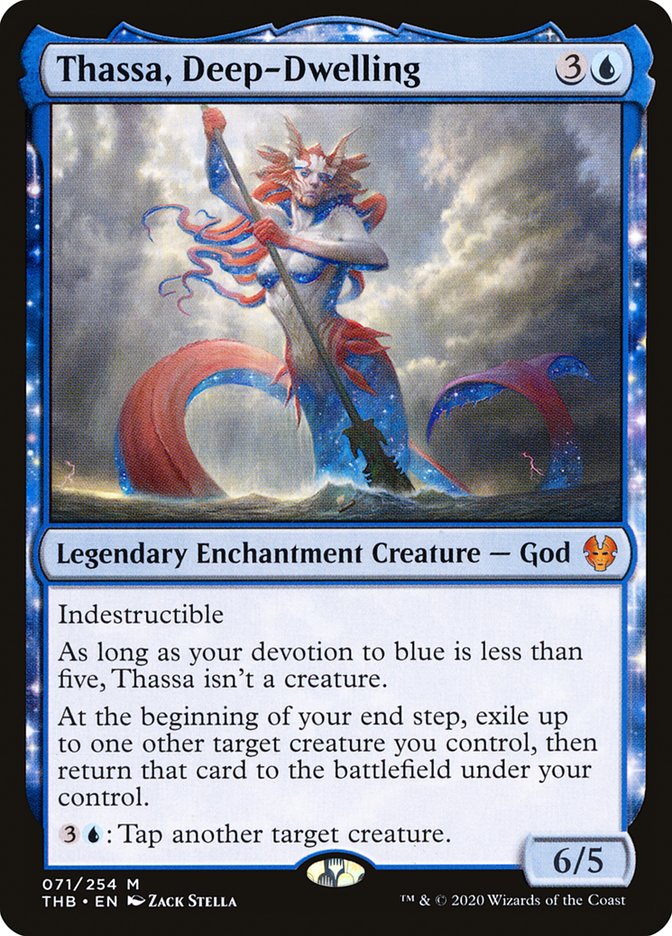
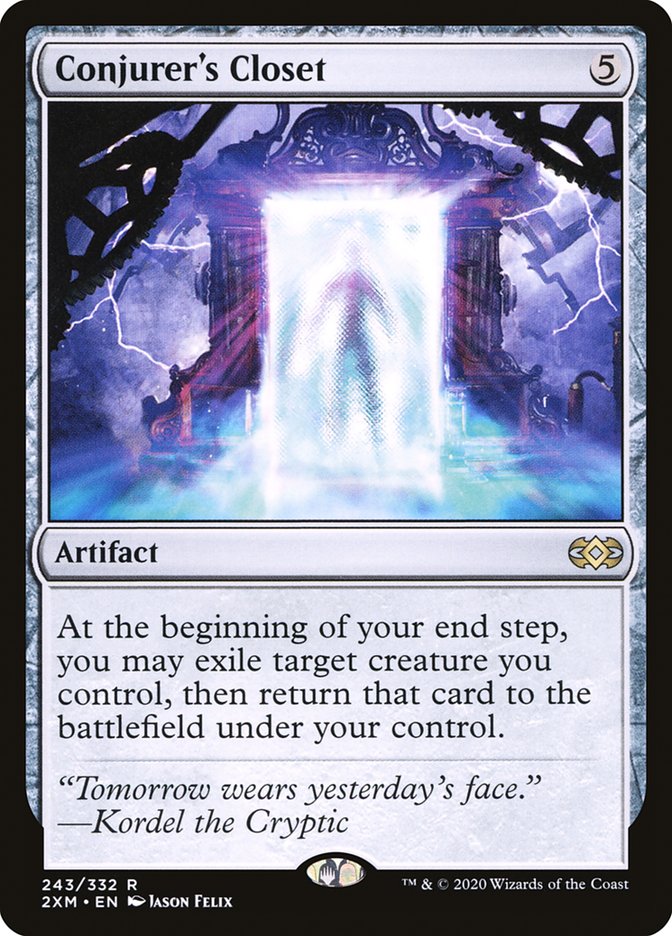
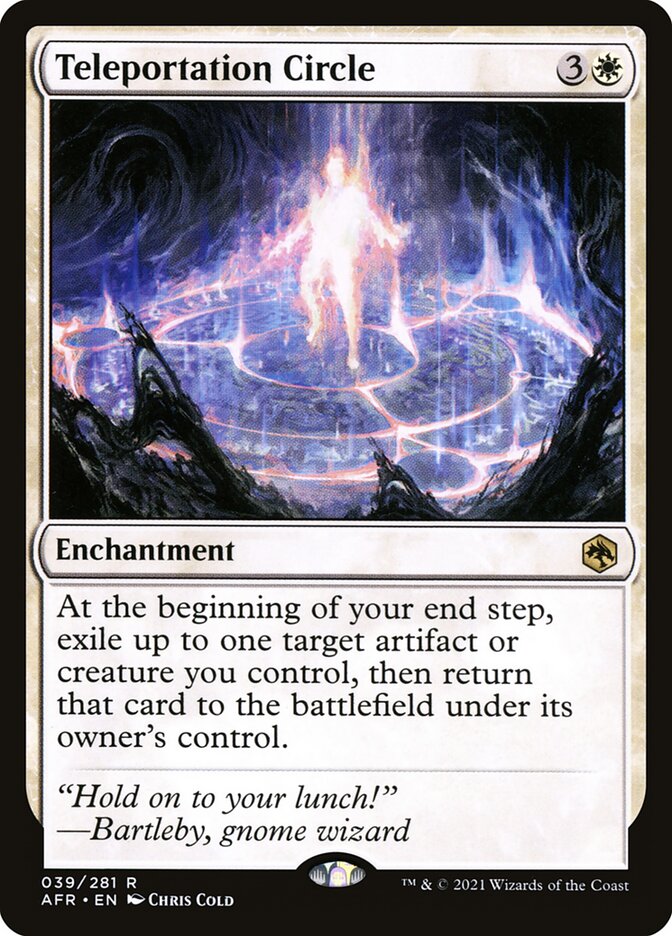
First, there are the on-board mechanisms to flicker our things on a passive, repeated basis. These are your Teleportation Circles, Thassa, Deep Dwellings, and your Conjurer’s Closets, among others. These are all really powerful cards because they have the potential to generate a very significant amount of card advantage for very little investment. However, it does telegraph everything to the table, and it’ll be ultimately pretty easy for them to determine the best pieces to remove to shut the thing down. This is a strategy that does require specific pieces to operate smoothly, and demonstrating the effects of those pieces consistently every turn is going to really inform how your opponents are going to be interacting with your board.
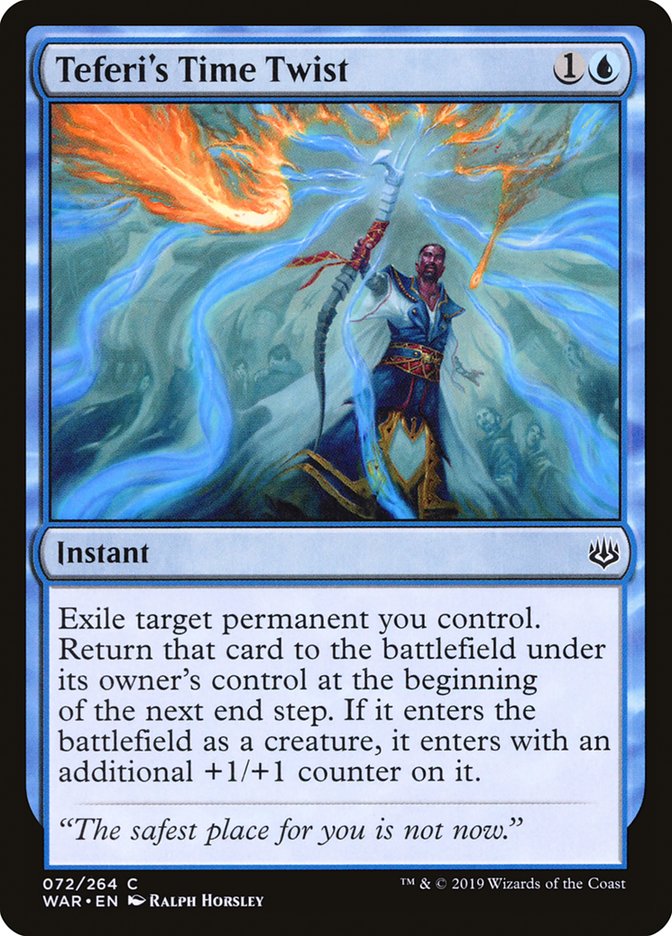
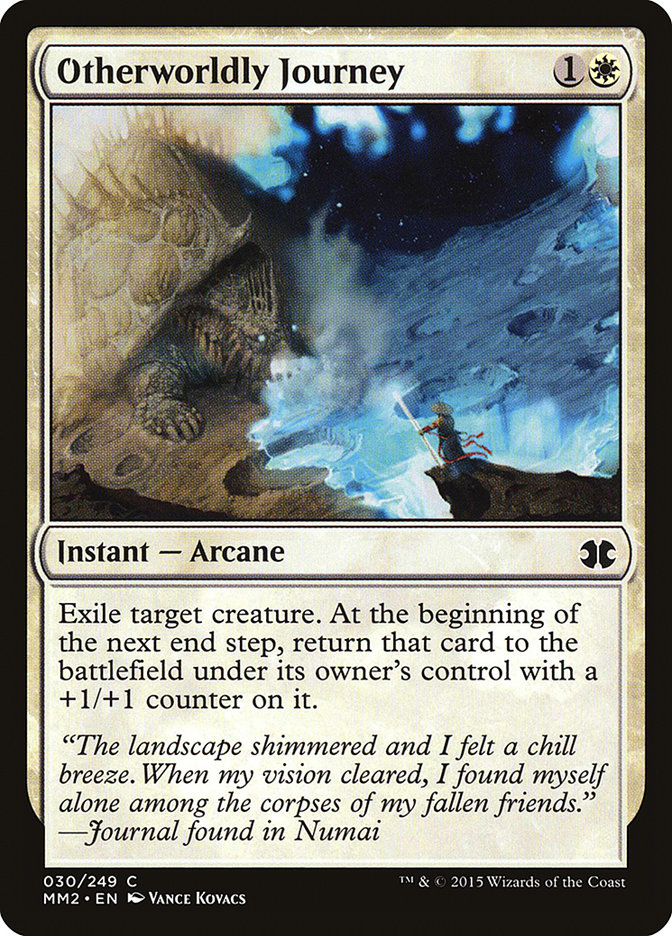
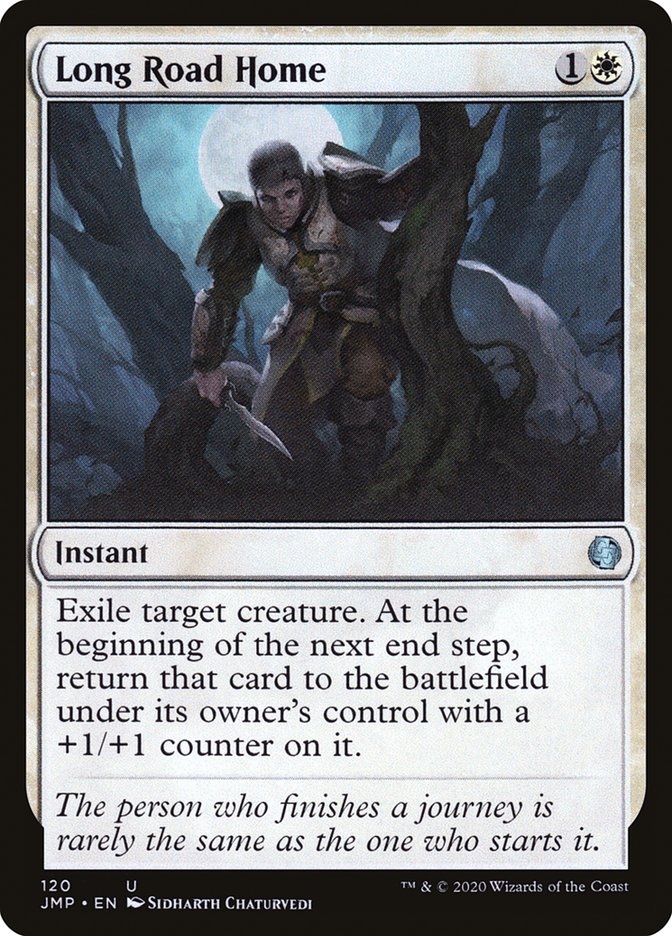
Second, there are the suite of instants or instant-speed effects that will flicker a target creature until the beginning of the next end step. Being instant-speed, they give you a lot of flexibility in how you utilize your creatures. These will oftentimes bridge the middle ground between the more proactive and passive flicker targets because while they will still generate card advantage from your various Mulldrifters, they can protect your Emissaries of Grudges from removal and, most importantly, sweepers. It’s that ability to dodge sweepers that make these valuable, since while flicker decks can do some fancy things on The Stack, they fall right into sweepers like the rest of the decks out there, since the thing we’re flickering will oftentimes just comes right back. Some cards to look out for like this are Long Road Home, Otherworldly Journey, and Teferi’s Time Twist.
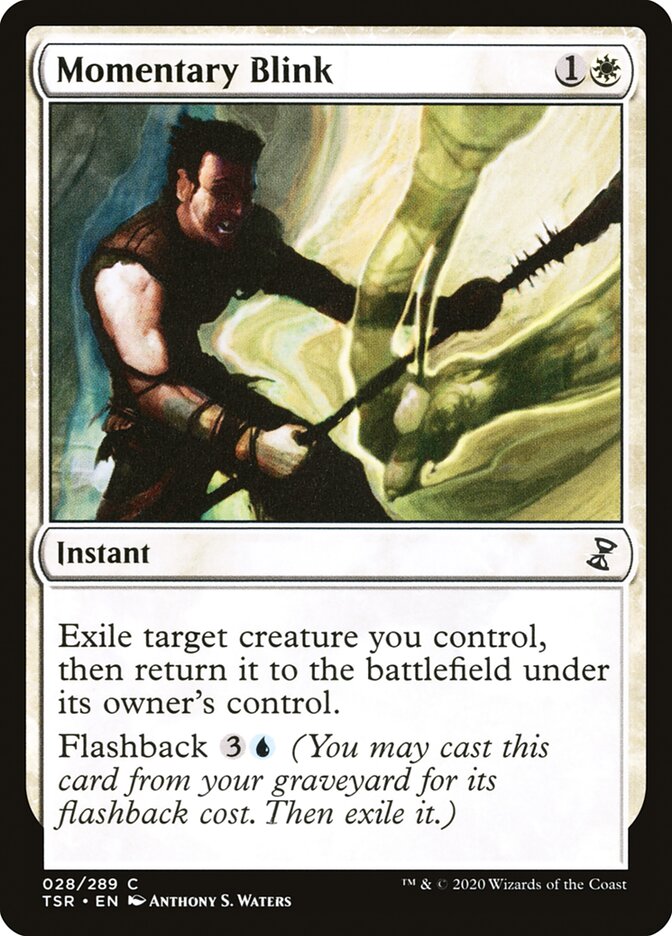
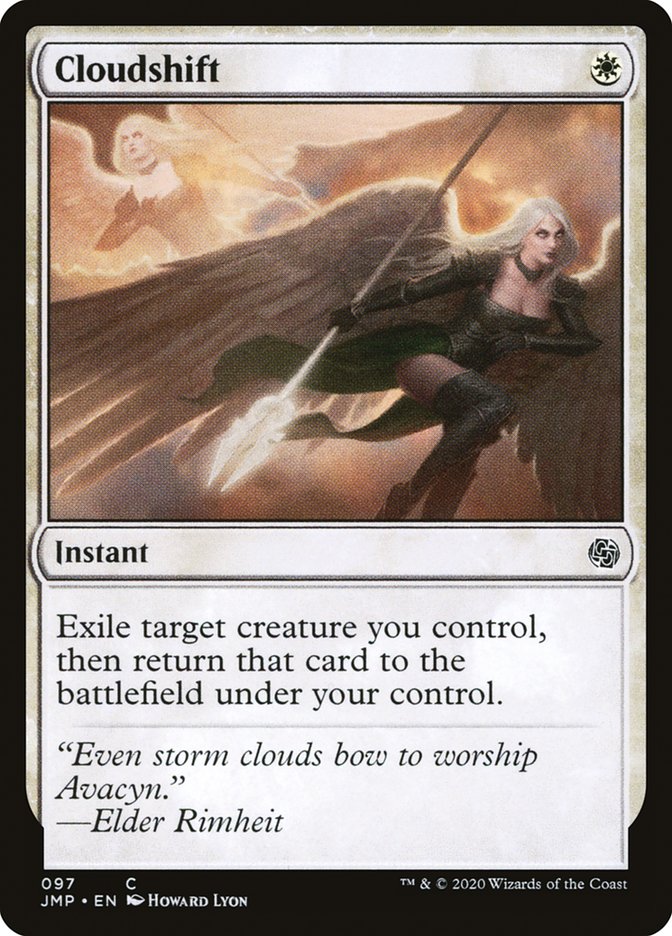
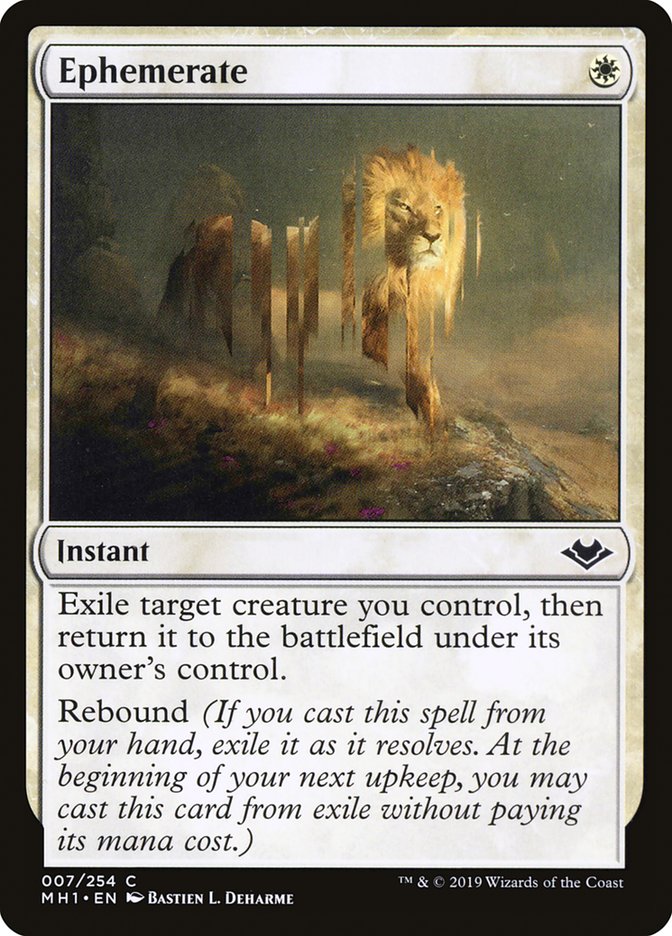
Third, and most importantly, there are those instants or instant speed effects that will flicker out a target, but immediately return them to the battlefield. These are your Ephemerates, Cloudshifts, and Momentary Blinks. They are generally the most efficient means with which to flicker your creatures, and also the most aggressive. These are also the bread and butter of any flicker deck, as they create really resonating moments that are unique to the strategy. These spells generate intricate play patterns in combat, and are best used with creatures that generate pressure on the battlefield. For example, blocking with a Reflector Mage and then Cloudshifting it to bounce a second attacker while removing itself from combat, or, resetting your Emissary of Grudges to deflect a piece of interaction. Having the creature immediately re-enter is the primary feature of these spells and you want to have a suite of creatures that can highlight it accordingly.
How are we winning with the things that we are flickering using the various means with which we are flickering them?
All games must come to an end, and flicker decks can have a pretty tough time of it. This is for a couple reasons. When you’re steadily having creatures enter the battlefield, leave the battlefield, re-enter the battlefield, etc, it can be tough to have aggressive traction on the board. Sequencing is your worst enemy, commonly leading to finding yourself under the thumb of Summoning Sickness, and your pacing can be really volatile depending on the board state. Generally speaking, creatures with haste or cards that grant haste are at a premium in decks with interactive flicker targets, since sometimes you need to utilize them before combat. Additionally, creatures that can front-load aggressive abilities onto other creatures and subsequently circumvent Summoning Sickness are valuable. While not the most powerful card, something like Cavalry Drillmaster serves as a good example of what a card on this spectrum can look like. Flicker decks can pretty easily fall into the trap of just generating repeated value and not a whole lot else. As a result, they can have trouble closing out the game, since most attractive flicker targets are chosen for their effects on entering or leaving the battlefield, not the rate you get on power and toughness. For more passive decks that are geared more towards generating value, you want to find win conditions that can get around this.
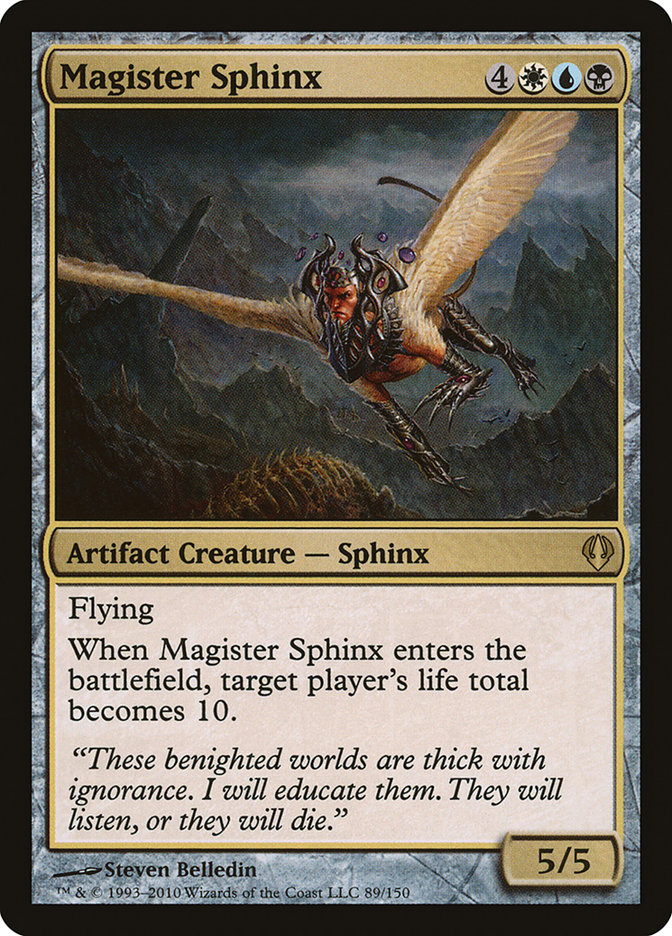
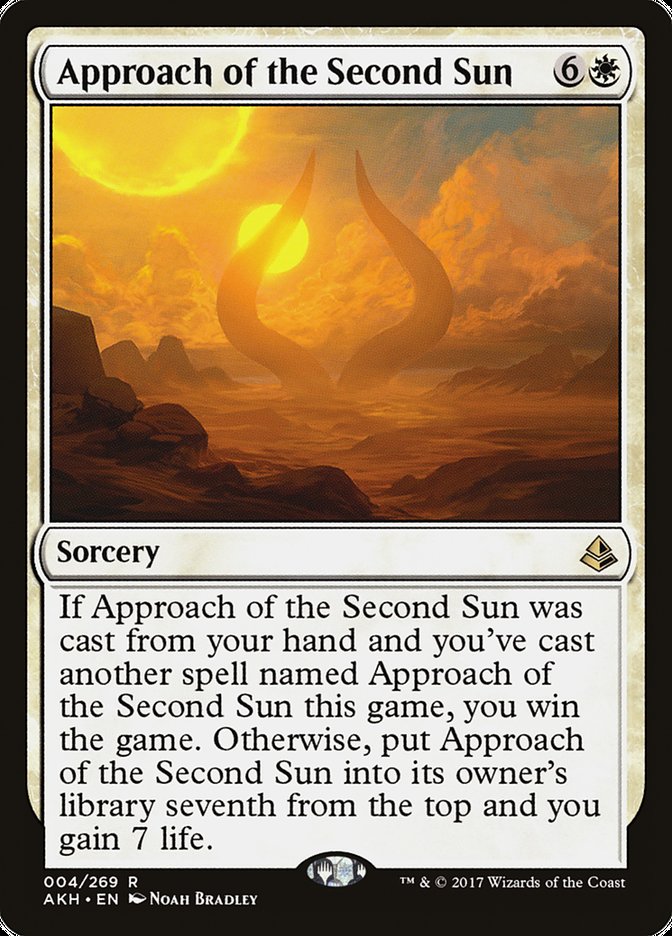
Whether exploring an alternate win condition like Approach of the Second Sun, or actually making those dorky bodies matter with Magister Sphinx, you want to make sure that you have the means to make your value creatures relevant in combat or not rely on them at all to cross the finish line.
Who is the best flicker commander to be the commander of my flicker deck?
This is where things can get a little hairy. There are a lot of great flicker commanders out there, but they’re all really different in what they are asking you to do. I will oftentimes wait until I have a very clear idea of what I’m doing before selecting one, rather than picking a commander and building outward.
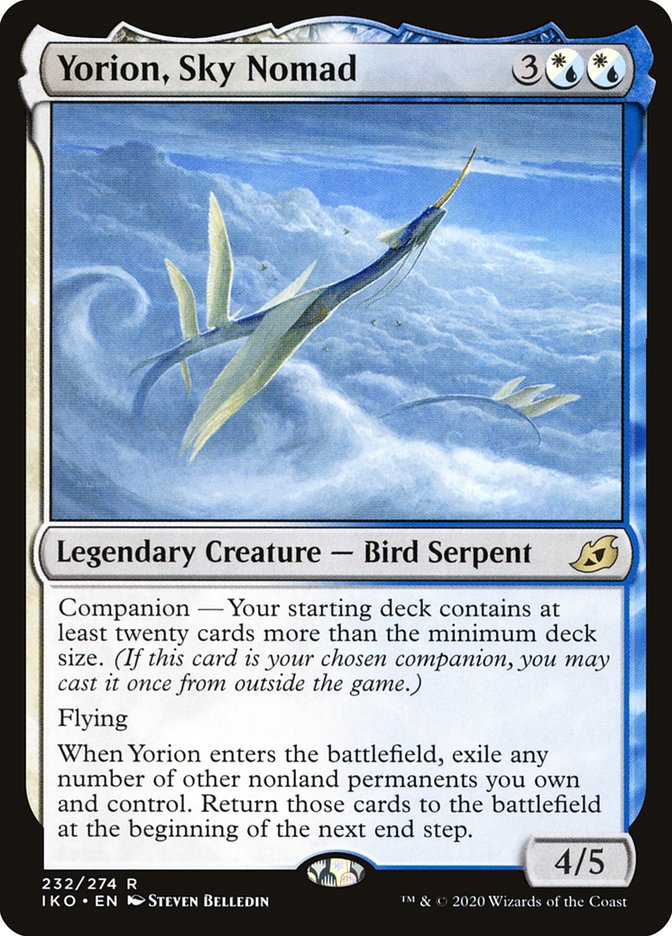
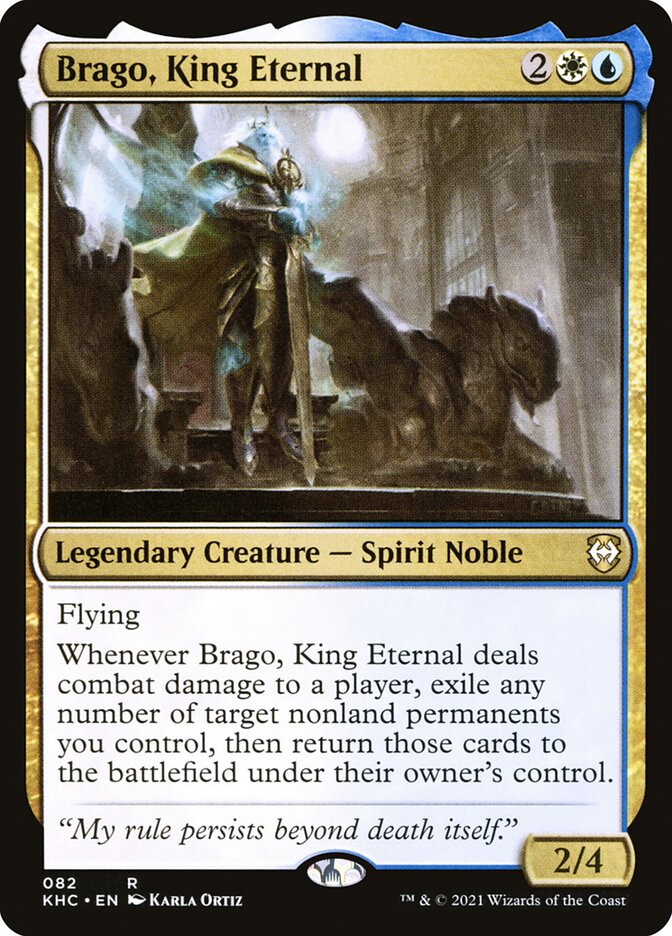
For example, if I’m looking to generate a lot of card advantage across a lot of permanents, I may lean more towards Brago, King Eternal or Yorion, Sky Nomad. Be aware, though, that these two can be pretty easily supported to allow such a tremendous amount of flickering that it could potentially be a drag on the game to stack all of your triggers. I’d honestly be cognizant of that if this is the route you want to go. Keep in mind that these two also flicker any nonland permanent, so you gain a lot of options through various artifacts and enchantments as well as creatures.
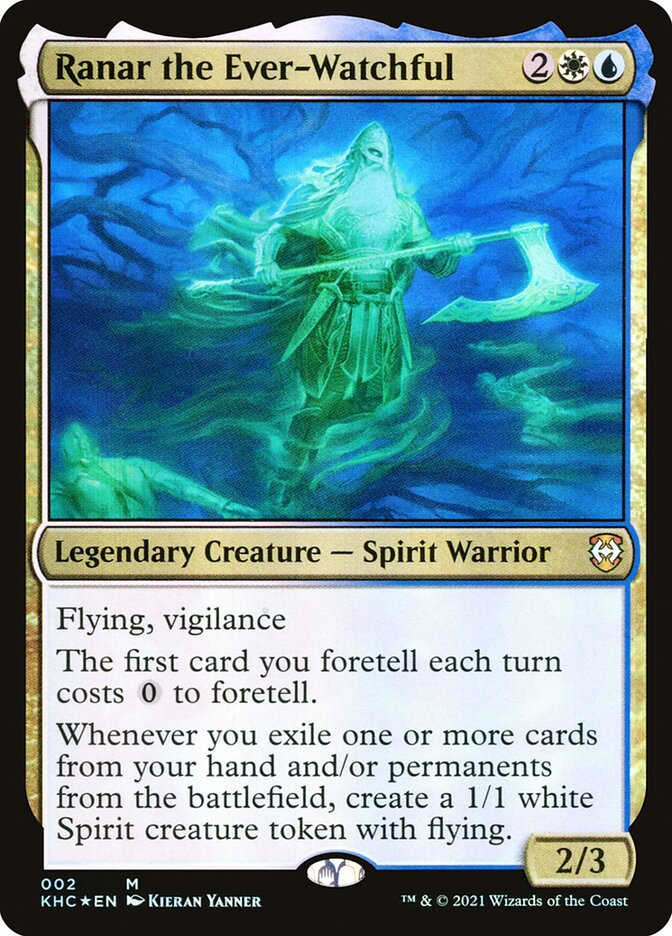
Ranar, the Ever Watchful is a flicker commander that does a really good job bridging the gap between passive and aggressive approaches. He essentially allows you to build an aggressive board of spirit tokens alongside a separate set of passive flicker targets. Taking the burden of combat off of your flicker targets is an interesting way to confront the issue, and it’s startlingly easy to generate a really large amount of spirits to handle your attacking and blocking needs, especially when you consider that he also triggers off of exile-based removal.
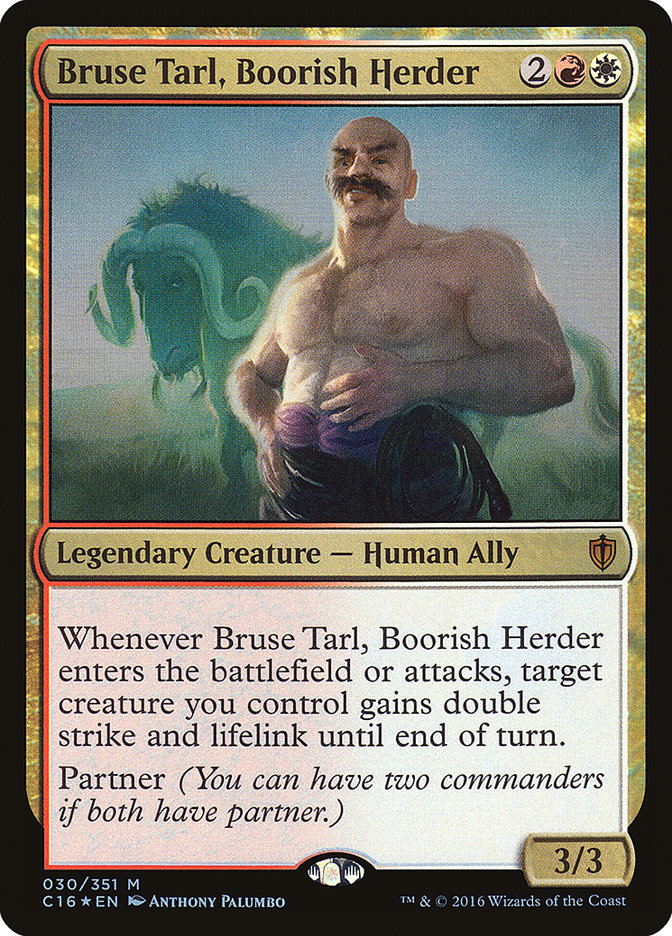
When it comes to more aggressive decks, one of my favorite commanders is Bruse Tarl, Boorish Herder. He’s a touch different simply because he’s a powerful flicker target that you always have access to, rather than an enabler. The ability to grant double strike and lifelink at instant speed is a huge game, and access to red in the color identity grants access to some very powerful creatures. I’ve historically paired him with partners that add blue to the color identity, but there’s a lot of room to explore in black or green.
There are a lot of other really great options out there, but hopefully these few give a decent idea of some things to take into account when decided just what role you want your commander to assume in whatever deck you end up building.
derek’s Synergy Corner
So with all of that out the way, I wanted to discuss a few of my favorite synergies that we can take advantage of in flicker strategies. One of the simplest, and a good place to start, is how flickering interacts with the Evoke mechanic.
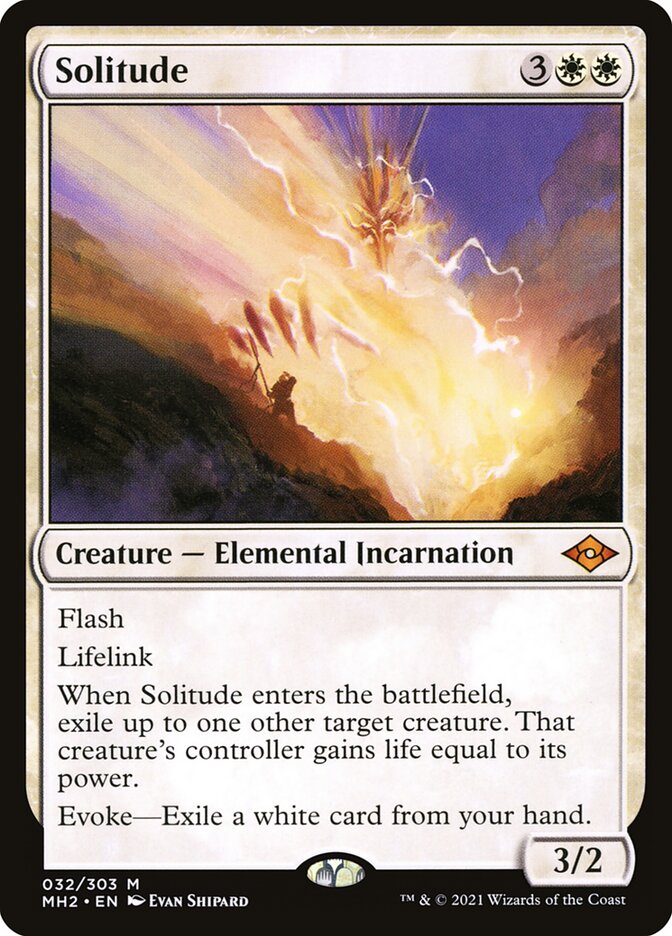
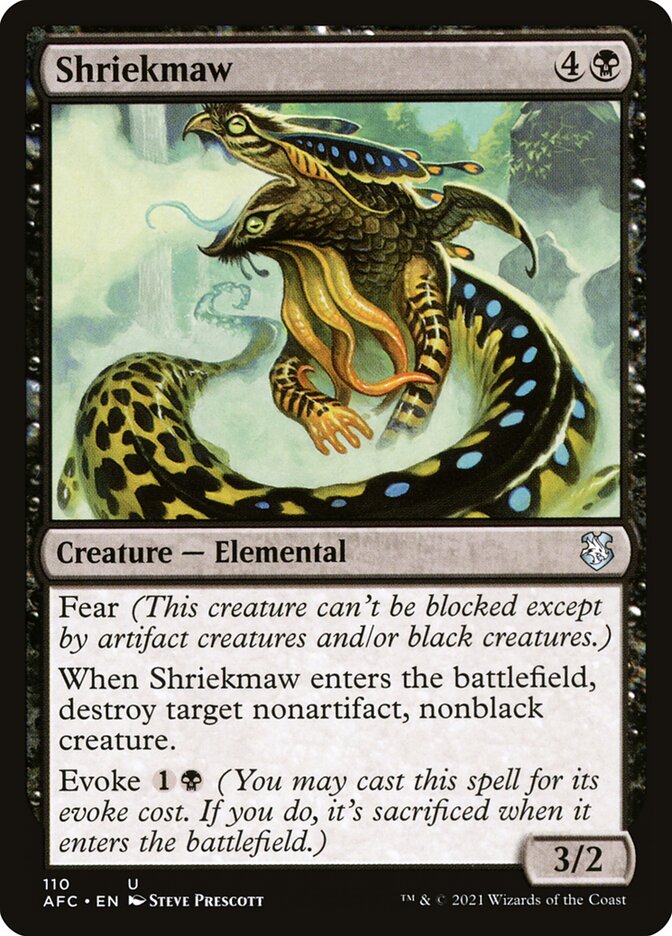
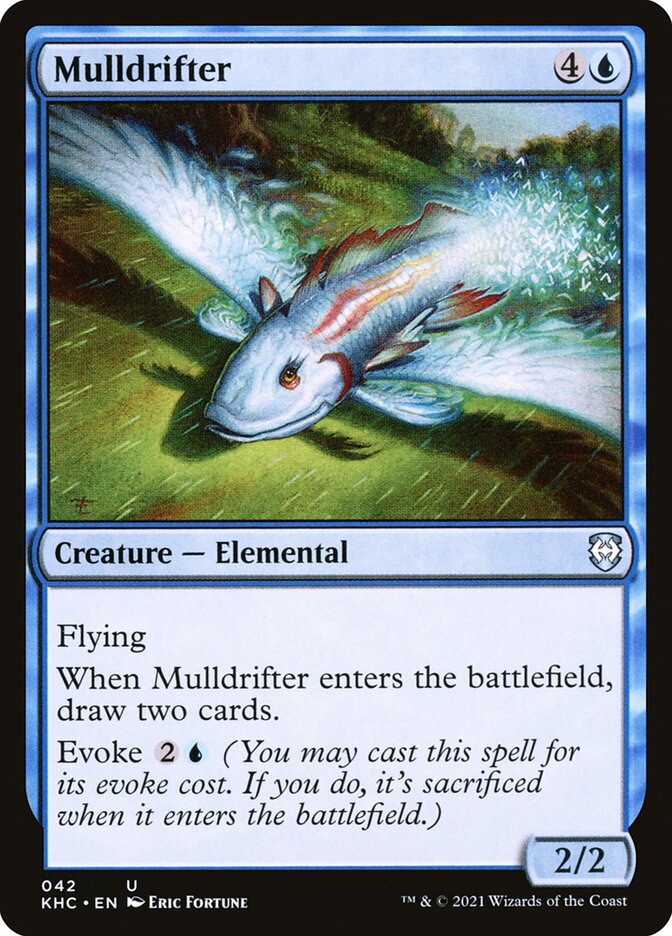
So, we get to pay a significantly reduced or alternative cost for our creature, but have to sacrifice it as soon as it enters play. Notice the wording on the rules text for Evoke — the “when it enters the battlefield ” clause denotes this as a trigger that makes us sacrifice the creature if the Evoke cost is paid. This means that when we evoke a creature, we can wait for that sacrifice trigger to go on the stack before flickering the creature out and back to the battlefield. When this happens, the creature in question is now a new game object, distinct from when we evoked it, and we no longer have to sacrifice it, gaining an additional ETB trigger for our troubles. This is the primary reason why Mulldrifter and Shriekmaw are such popular creatures in these strategies, and also why the elemental incarnations from Modern Horizons Two (Solitude et al) are so powerful in this context.
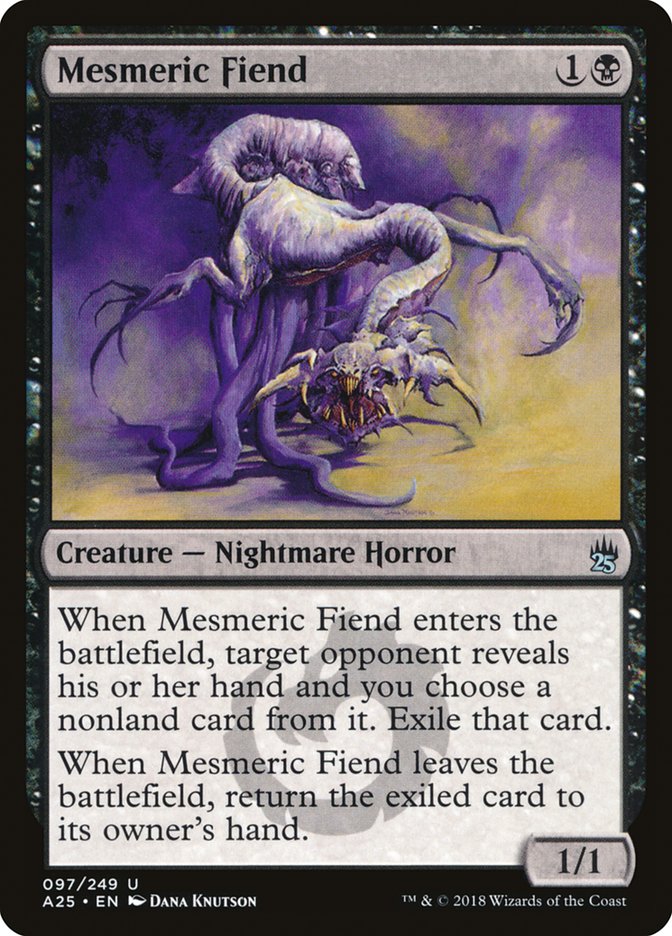
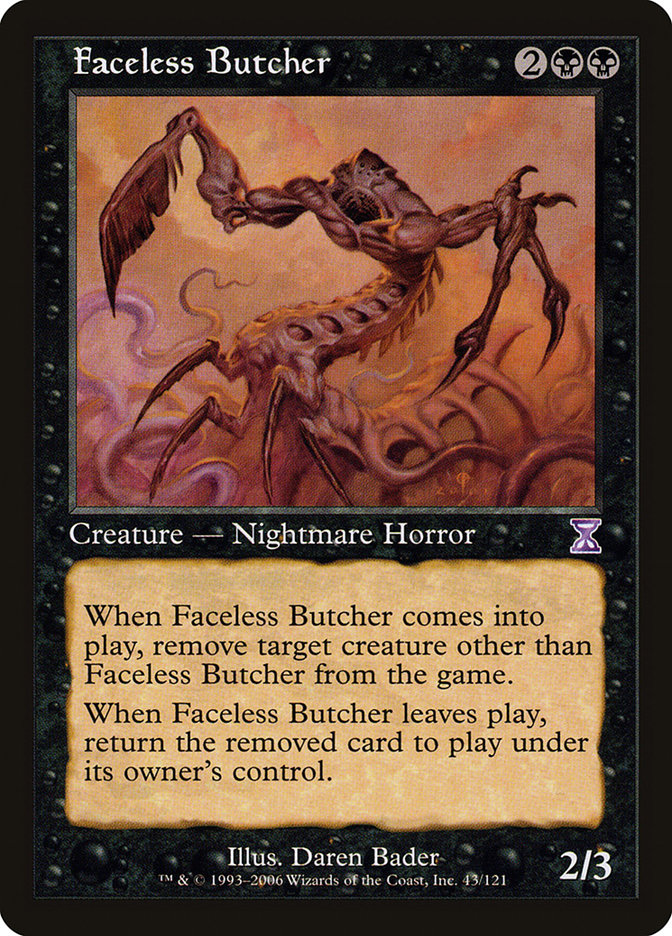
Dovetailing on Evoke, I’d like to draw your attention to a similar trick that takes advantage of some older rules templating. Mesmeric Fiend and Faceless Butcher will both trigger to exile a card when they enter the battlefield. However, before they resolve, you can flicker them out, which places their Leaves the Battlefield trigger on the stack above their Enters the Battlefield trigger. What does this mean? The trigger to return the exiled card will resolve first, but without anything yet exiled to return, it won’t do anything. Then, the original exile trigger will resolve and you will get to nab your target into exile permanently, since the trigger to return it already happened. The big appeal to me here is with Mesmeric Fiend, since it offers a different application through hand disruption. More avenues of interaction are always welcome, and while it isn’t particularly impressive as a one-off, the ability to abuse it through flickering and also just continually update what you have in exile based on what your opponents end up tutoring for, for example, gives it some real legs.
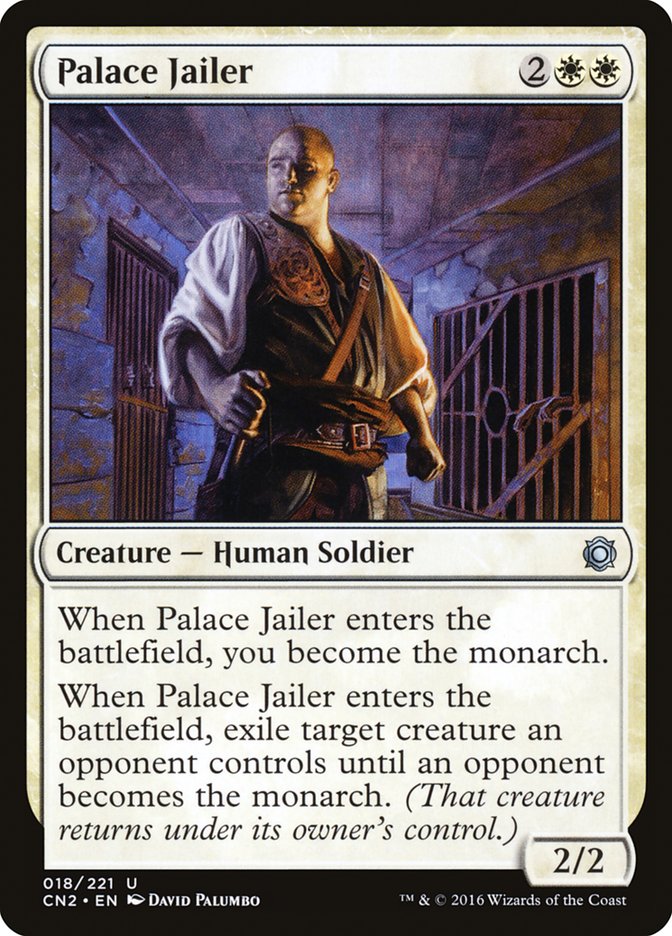
This brings me to Palace Jailer, all-around messed up Magic card. While similar in function to something like Faceless Butcher, it keys off of who is the Monarch, which plays an interesting role in flicker decks. As I’ve alluded to above, there are a lot of ways to get through combat without taking damage. blocking, flickering, interacting with other attackers, removing your own creatures from combat so they don’t receive damage — the list of wrinkles you add to any combat step with a robust flicker package goes on and on. With a lot of Monarch cards, they will give you the Monarch when they enter, and then require you to retain the Monarch in order to reap further benefits. The ability to flicker these cards will ensure that you always have access to the Monarch whenever you need it. Going back to Palace Jailer, since he only release the creature he exiled when you lose the Monarch, you are able to continually flicker him without losing anything you’ve previously exiled. Typically (under modern templating), whenever a creature like this leaves the battlefield, the exiled card is set free. Not here.
And really, these are just a few of the really cool synergies you can take advantage of. What’s got me revisiting things recently has been the new design space being explored in Kamigawa: Neon Dynasty with sagas.
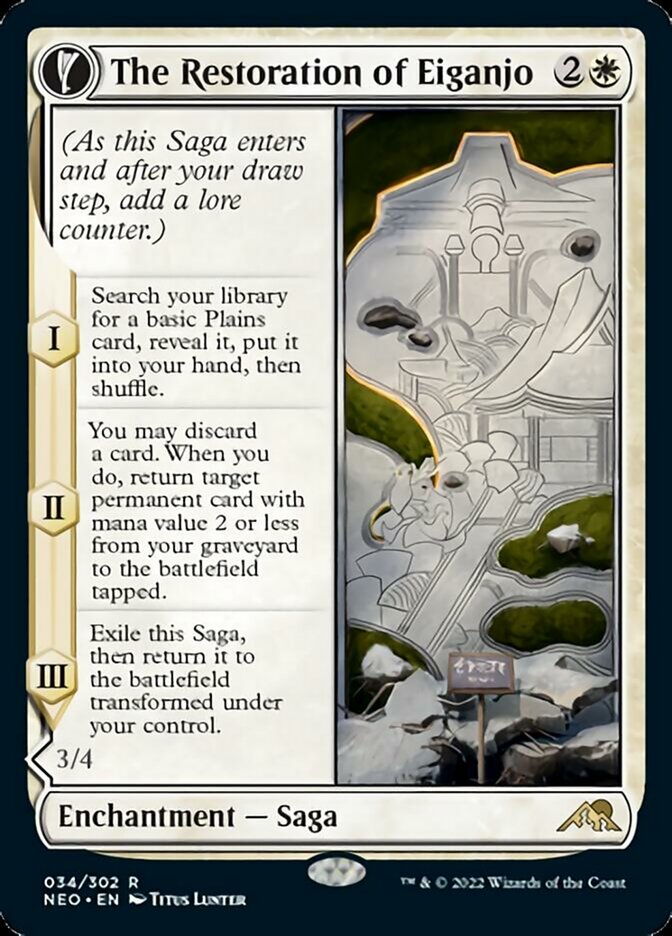
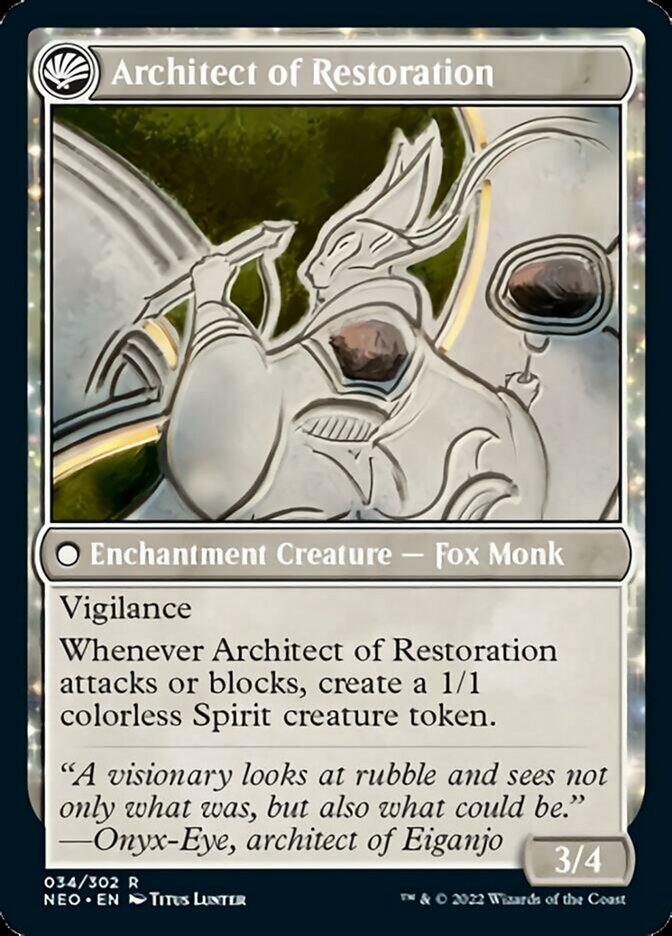
These cards don’t sacrifice themselves once complete like sagas from sets past, but rather exile and return as creatures, which will then allow us to flicker them. When we do so, they won’t return on their creature side, but rather back as a saga, since it’s a new game object and the saga is the default face of the card. This is a really great tool for accruing incremental advantage by being able to not only consistently reset your sagas, but also help you cheat board wipes by grabbing those sagas by their creature half and shoving them out of harm’s way. It’s a really dynamic space to explore, and the testing I’ve done thus far in this space has felt very rewarding. I’ve also toyed around with artifact/enchantment sub-themes as well, again playing off of new Neon Dynasty cards. It has also felt sweet. Apropos of nothing in particular, Roadside Reliquary is a really great card, and also feels kinda messed up. HERE IS A LINK TO MY CURRENT LIST.
So there you have it. Hopefully this gives you all something to chew on as far as brewing up your own distinct flicker decks with your own distinct flavor. There’s so much room for customization and room to personalize, and that’s one of the things I put super high on a pedestal when it comes to Commander as a format. And honestly, as more cards are released, it’ll only get better. Sure, there are a lot of cool ways to take advantage of older cards that play unique to this archetype, but I’m most excited for what’s coming down the pipeline. As I’ve learned from Neon Dynasty, there are always going to be new ways to re-contextualize the scope of what a flicker spell or ability will be able to do.
 commander, dear reader